

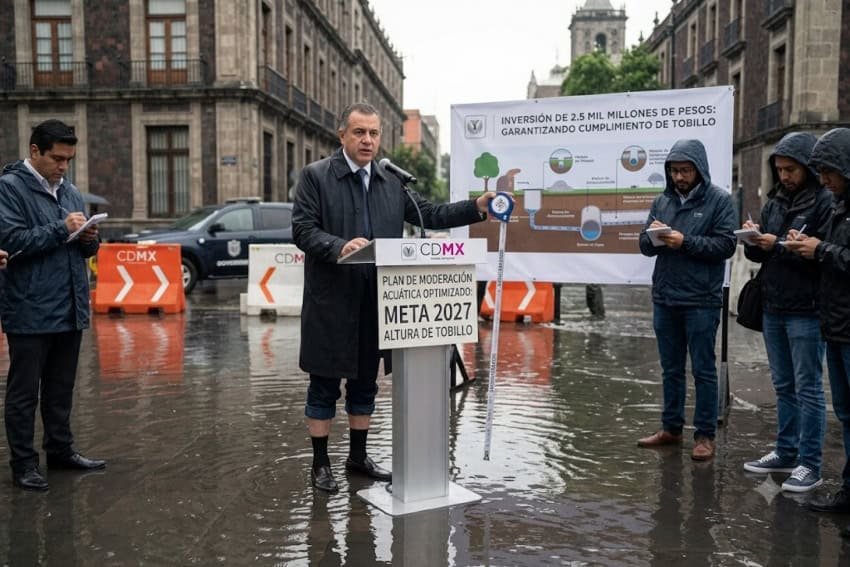
Municipal authorities in Mexico City have launched a significant infrastructure initiative to address the challenges posed by the rainy season. This new investment, totaling approximately 2.5 billion pesos (around $127 million), aims to improve the city’s drainage system by the summer of 2027. The goal is to create a more manageable experience for residents during heavy rains, ensuring that floodwaters remain at ankle height rather than causing severe disruptions.
Named the Master Plan for Optimized Aquatic Moderation, this project marks a shift in how the city approaches historic drainage issues. Urban planners are no longer striving for completely dry streets during downpours but are instead focusing on controlling water levels during heavy rainfall. The plan suggests that by adopting this method, residents can prepare better for the rainy season.
The initiative will incorporate advanced technology, including heavy-duty desilting machinery and retention tanks, to manage excess water and prevent flooding. Specialized sensors will also be deployed to notify city personnel when water levels become problematic. A key feature of the updated city weather app will include a color-coded footwear guide, helping residents choose appropriate shoes based on anticipated puddle depth.
Local business owners have expressed cautious optimism about this announcement, appreciating the predictability that comes with regulated water levels. Knowing in advance how much their storefronts may be affected by seasonal rainfall can aid in their budgeting and planning efforts.
As the project unfolds, officials emphasize the importance of managing public expectations. While it is impossible to stop rain, the city is committed to ensuring that water levels will be controlled to minimize disruption for all residents, allowing for greater confidence during the rainy season.