

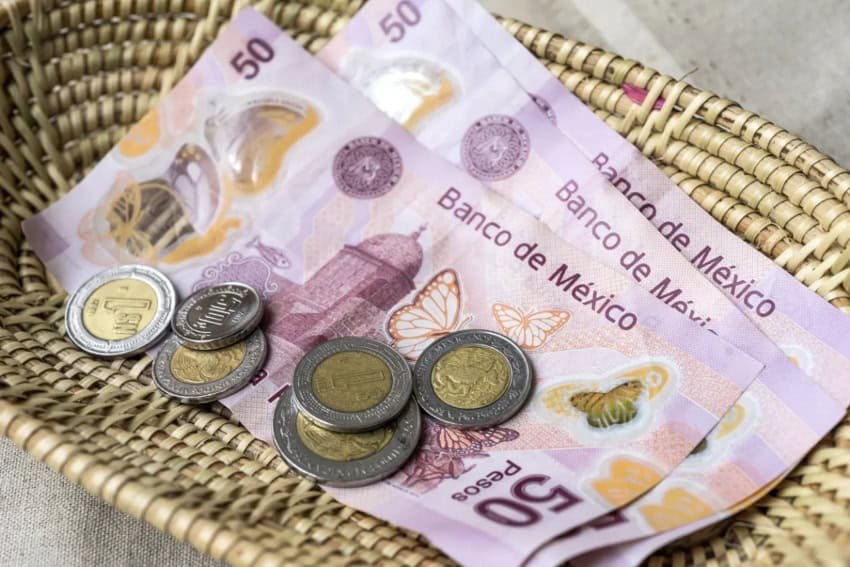
In Mexico, the topic of tipping continues to spark discussions among residents and visitors alike, profoundly influencing the daily lives of many. As personal finance practices evolve, understanding the nuances of tipping can make a difference in how service workers are compensated and how visitors experience the country’s warmth and hospitality. There are no rigid rules surrounding tipping in Mexico, and what feels right to one person may differ significantly from another’s perspective. According to recent surveys, many foreigners tip between 10% and 20% in restaurants, with a notable proportion opting for 15%. Meanwhile, local customs often suggest a standard of about 10% for general dining, increasing to 15% for exceptional service in high-end venues.
The tipping landscape in Mexico has shifted considerably over the past years, particularly during the COVID-19 pandemic when the risk faced by essential workers became evident. This period heightened the awareness of tipping as a crucial support for those in the service industry, prompting a cultural shift toward more generous gratuities in certain locations. The rise of digital payment systems has also contributed to this change, as patrons are often prompted to tip 20% or more even when services may not warrant such an increase, sometimes in locations where tipping is not customary.
Unfortunately, this dynamic creates a complex atmosphere around tipping etiquette. In tourist areas, expectations may diverge sharply from local practices, leading to feelings of frustration among Mexican workers who perceive excessive tipping as inflationary pressure on their cost of living. For instance, locals may emphasize that high tips can create an unsustainable standard, making it difficult for others to keep pace, particularly those earning modest wages in a country where many rely on tips to supplement low base salaries.
In this evolving context, awareness of the financial realities faced by service workers in Mexico is essential. Government data indicates that the average monthly salary for waiters remains low, forcing many to depend heavily on tips to make a living. Therefore, understanding where tipping is expected—like in restaurants, bars, hotels, and among delivery personnel—can help ensure that these workers receive fair compensation for their efforts.
It’s also critical to know your rights as a customer in Mexico. The law stipulates that tips cannot be mandated, and any expectation presented should be challenged if inappropriate. Customers are encouraged to engage politely if they encounter pressure for specific tip amounts, ensuring that their discretion is respected.
When deciding how much to tip, consider that cash is typically preferred and that tipping in the local currency avoids complications for service workers. Whenever possible, delivering the tip directly to the individual can help ensure it reaches the intended recipient without being intercepted or withheld by management.
As we delve deeper into topics around personal finance in Mexico, understanding the cultural significance of tipping allows us to foster empathy and support for those who shape our daily experiences in this vibrant society.