

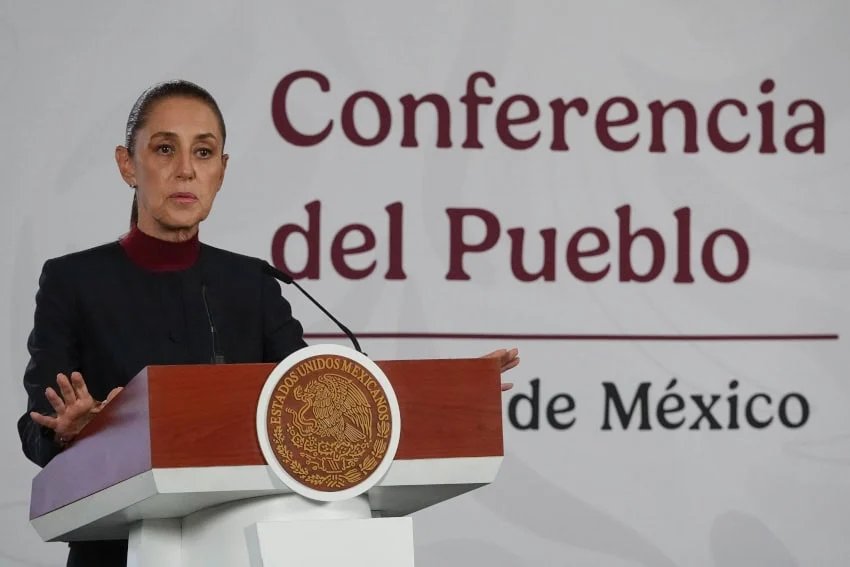
In a recent press conference, President Claudia Sheinbaum addressed critical issues impacting the lives of many Mexicans, particularly concerning deportations and the U.S. government’s stance on several Mexican officials’ visas. Over 270,000 Mexicans have been repatriated from the United States since President Trump began his second term, a figure that has significant implications for families and communities across the country. Deportees, often arriving frightened and uncertain, are welcomed through government-supported centers where they receive vital assistance as they rebuild their lives.
The National Institute of Migration reported that from January 2025 to mid-August 2026, 271,193 individuals were deported, with many landing in Villahermosa or Tapachula. This influx particularly affects states like Chiapas, which accounts for nearly 9% of repatriated individuals. The government continues to emphasize support measures through initiatives such as “Mexico Embraces You,” providing crucial resources like food, health services, and travel stipends to those returning home.
Amid these challenges, President Sheinbaum spoke about the recent revocation of visas from officials of the ruling Morena party, including the son of former President Andrés Manuel López Obrador (AMLO), claiming that such actions are politically motivated and indicate U.S. interference in Mexican politics. Sheinbaum voiced concerns about the unequal treatment of Mexico compared to other Latin American nations, suggesting that this could facilitate political division at home.
Regarding the allegations against López Beltrán concerning fuel smuggling, Sheinbaum confirmed there is currently no evidence linking him to any wrongdoing, emphasizing a commitment to justice without allowing foreign influences to dictate internal investigations.
This ongoing situation highlights both the complexities of international relations and the personal toll on countless individuals, drawing attention to the need for continued support and understanding for those affected by these policies. The government’s approach aims not only to manage the logistical aspects of these deportations but also to foster a sense of community and resilience among returning citizens.