

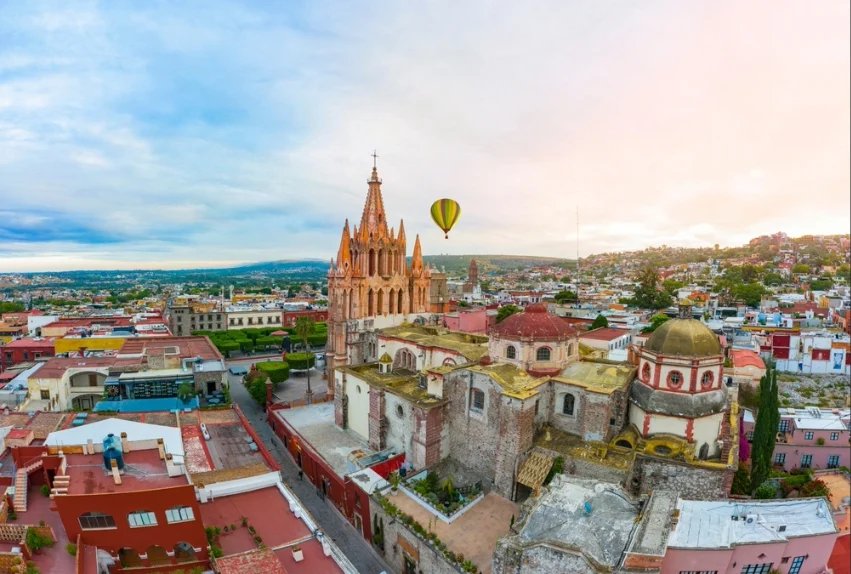
San Miguel de Allende, a jewel of colonial architecture, invites residents and visitors alike to embark on a journey through its storied streets. The city bears the names of notable figures whose legacies were pivotal in shaping Mexico’s history, offering a sense of connection to the past that resonates in daily life. Iconic locations serve as reminders of individuals like Ignacio Allende, whose fight for independence from Spanish rule remains a significant part of our national identity. Born in 1769, Allende became a leader in Mexico’s struggle for freedom and a symbol of courage, as seen in places like Plaza Ignacio Allende and Instituto Allende in the heart of the city. His determination marked early victories in the revolution, yet circumstances led to his capture and execution in 1811, halting his vision for a liberated Mexico but ensuring his name would endure through time.
Equally important is Benito Juárez, another luminary of Mexican history, whose influence shaped the country’s governance. Juárez, born to a humble background, rose to become the first Indigenous president, leading with a commitment to justice and equality during tumultuous times. His legacy can be found at Benito Juárez Park, a space that fosters community gatherings and a connection to this visionary leader. Juárez’s tenacity helped navigate Mexico through foreign invasions and internal strife, ultimately securing a brighter future for subsequent generations.
Then there’s Zeferino Gutiérrez, a stonemason whose remarkable talent birthed the iconic Parroquia de San Miguel Arcángel. His unique vision transformed local materials into magnificent structures, and his work continues to attract tourists, enhancing San Miguel’s reputation as a cultural destination. Gutiérrez’s legacy not only lies in the architecture he created but also in the park dedicated to him, where families gather and celebrate community life.
Ignacio Ramírez represents another facet of San Miguel’s rich history. A key figure in the Reform movement, he advocated for a liberal democracy that emphasized the separation of church and state. The Ignacio Ramírez Cultural Center and other spaces named in his honor serve as reminders of the ongoing importance of his values in contemporary society.
Ángela Peralta, known as the “Mexican Nightingale,” enchanted audiences with her operatic talents. A cultural landmark, the Ángela Peralta Theater stands as a tribute to her artistry, reminding us of the vibrant cultural tapestry that defines Mexico. Peralta’s career was filled with successes and challenges, yet her remarkable contributions to music continue to inspire aspiring artists in San Miguel.
Pedro Vargas, celebrated as “The Nightingale of the Americas,” represents the golden age of Mexican cinema. His artistic journey from San Miguel to international stages connects the city’s residents with a sense of pride in their cultural heritage. Vargas’s performances brought beauty and joy to many, and his story encourages the pursuit of dreams against all odds.
Each of these figures weaves a part of San Miguel de Allende’s narrative, enriching the lives of its inhabitants and visitors. The recognition of their contributions fosters a deeper appreciation for the city’s history, inspiring current and future generations to uphold their legacies. This legacy is not just a celebration of the past but a reminder of the shared values that can shape a better future for all.