

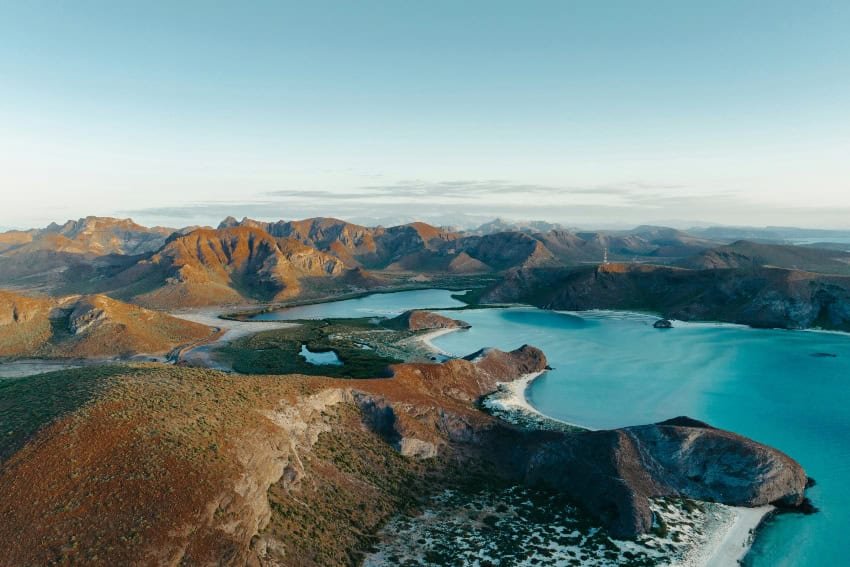
Baja California Sur, with its stunning 2,131 kilometers of coastline, offers a unique allure, yet it struggles with a population under one million, making it one of Mexico’s least populated states. This juxtaposition of vast natural beauty and sparse human presence shapes the daily lives of residents. While an abundance of tourists flock to places like Los Cabos, many local communities are left yearning for opportunities and resources. Since the mid-20th century, tourism has blossomed in the region, significantly impacting its economy, with the sector now responsible for around 60% of the state’s gross domestic product. However, wealth generated from tourism is distributed unevenly among the state’s five municipalities.
The history of Baja California Sur reveals a landscape marked by contradictions. Despite being the second-largest municipality by area in Mexico, Mulegé has an extremely low population density, highlighting the challenges of infrastructure and resource allocation. While towns like Santa Rosalía have historical significance, their economic viability often falls short compared to booming tourist destinations like Cabo San Lucas and La Paz. Here, nearly four out of ten residents are newcomers attracted by job prospects in the hospitality industry, creating a blend of cultures and experiences.
In 2022, Baja California Sur welcomed over 4.5 million tourists, with nearly 84% drawn to Los Cabos. Despite having fewer hotels, this region has an overwhelming share of available rooms and luxury accommodations, underscoring the stark differences in the tourism landscape across municipalities. This disparity evokes a sense of urgency for local leaders to address the imbalances that affect communities outside the primary tourist hubs.
As Cabo San Lucas continues to grow rapidly, its residents face challenges linked to infrastructure and services, exacerbated by its traditional lack of governmental autonomy. Recent discussions to grant Cabo San Lucas status as the sixth municipality aim to empower residents and better address local needs. The outcomes of these initiatives are yet to be determined, but they reflect a growing desire for change in the region, as citizens navigate the complexities of urban growth and its consequences on their lives.