

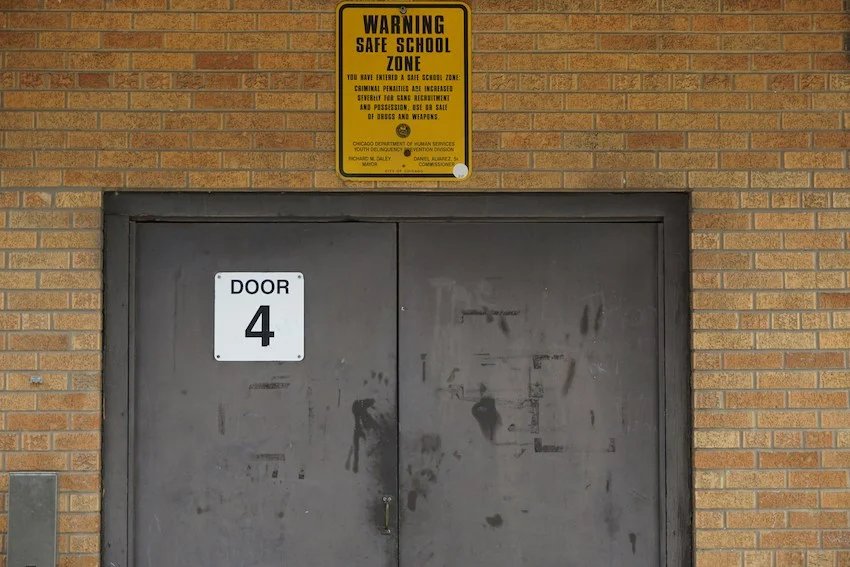
Recent discussions around school safety in Mexico and the United States have highlighted contrasting experiences for students in both countries. For many, concerns about school safety revolve around potential violence, including incidents in U.S. schools that have become painfully routine. The unsettling reality is underscored by alarming statistics; in 2025, there were 233 recorded school shooting incidents in the U.S., a situation that has led to lockdown drills becoming a regular part of school life.
When it comes to the perception of safety, there is a significant difference between the two nations. In Mexico, where school shootings are virtually unheard of, students generally experience a different atmosphere altogether. Many students grow up feeling secure, experiencing protective measures that often include organized safety protocols supported by institutions such as the Guanajuato Education Ministry, which promotes preparedness against various emergencies.
In contrast, the introduction of lockdown drills in U.S. schools can be jarring for those coming from a Mexico-based educational background. These drills, although crucial for safety awareness, often engender confusion and anxiety, creating a mindset where students must regularly prepare for the worst.
As students engage in their daily lives, their experiences shape their perceptions of safety. In Mexico, children frequently enjoy outings without fear, while peers in the U.S. may find themselves negotiating an environment characterized by surprise threats. Cities in Mexico, even those with reputations for danger, often present a daily life that doesn’t match the stereotype, with many young people feeling free to explore their communities without concern.
These observations call for open conversations about safety perceptions that differ dramatically based on personal experiences. They remind us that, while there are real challenges in both countries, broad assumptions about safety can obscure the everyday realities of countless families. Understanding these nuanced experiences can foster empathy and lead to a more informed discussion about the complexities surrounding safety in educational environments, ultimately supporting efforts toward improvement and collaboration between communities.