

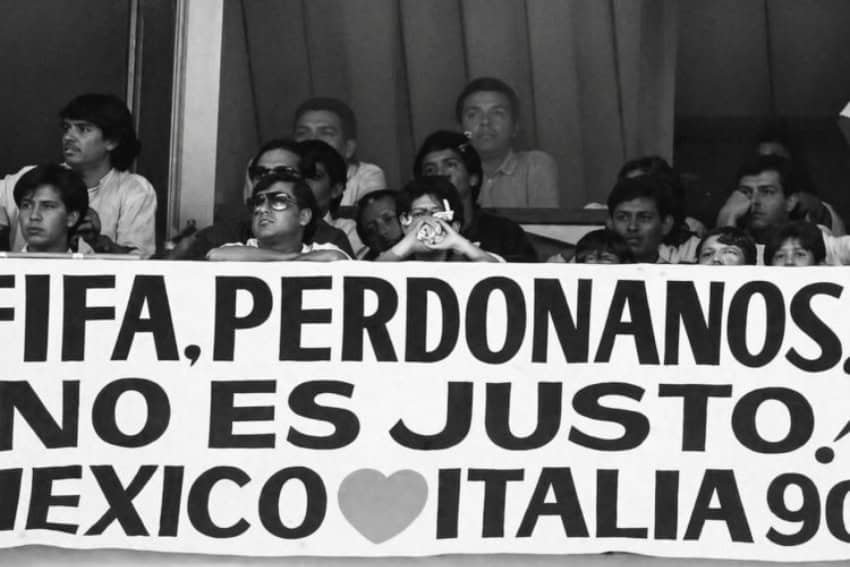
In a poignant chapter of Mexican sports history, the country faced a heartbreaking absence from the 1990 World Cup, not due to on-field rivalry but a scandal that struck at the very heart of its football integrity. This event, known as “Los Cachirules,” involved officials falsifying player age records, allowing several athletes to compete illegally in a youth tournament. This misjudgment cost Mexico its place in the tournament, a bitter loss felt deeply by fans and players alike. The consequences were far-reaching, transforming the way football governance is approached in the country while denying a promising generation the chance to shine on an international platform.
In the late 1980s, optimism flowed through the nation following a successful hosting of the 1986 World Cup, where Mexico reached the quarterfinals. At this moment, players like Hugo Sánchez enjoyed global recognition as they represented a burgeoning football era. However, a seemingly low-profile youth tournament in 1988 quickly spiraled into a significant sporting controversy, as Mexican officials knowingly fielded players above the age limit, tampering with their birth records to appear younger.
The exposure of this deception wasn’t brought to light by FIFA or rival nations, but through diligent reporting by Mexican journalists who unearthed inconsistencies between official player information and their recorded ages. What began as investigative reporting escalated into a national embarrassment when CONCACAF stripped Mexico’s youth team of its achievements and barred it from competition. FIFA’s response was severe; it suspended all Mexican national teams from international play for two years, directly impacting the qualifications for the 1990 World Cup.
As the ban lingered, the impact was palpable. Fans were faced with the disheartening reality of watching the World Cup unfold without their team, a situation made more painful since the senior national team had committed no infractions. The punishment raised questions about fairness, with many supporters contending that a youth-level violation should not carry such grave repercussions. Yet the scandal left an indelible mark, ensuring that governance, player registration, and adherence to international rules became focal points in Mexican football.
Today, younger generations experience a different narrative of Mexican football, one where El Tri consistently qualifies for the World Cup. Since the conclusion of the suspension, the team has returned to every tournament, carving out its place among the elite of the sport. Despite this resurgence, the shadow of Los Cachirules persists in the collective memory of the nation, a stark reminder of the costs of mismanagement and deception. The most painful defeat in Mexico’s World Cup history was not a loss on the pitch but a absence from the competition itself, echoing through the hearts of passionate fans and inspiring a commitment to integrity in the future.