

From 1876 to 1911, Mexico experienced a complex social transformation under the rule of Porfirio Díaz, a figure who remains deeply divisive. His leadership, often described as authoritarian, led to significant economic growth but also to widening inequalities, as benefits largely favored a small elite. While some celebrate this era for its advancements in industrialization and urbanization, many others recall the hardships faced by the working class.
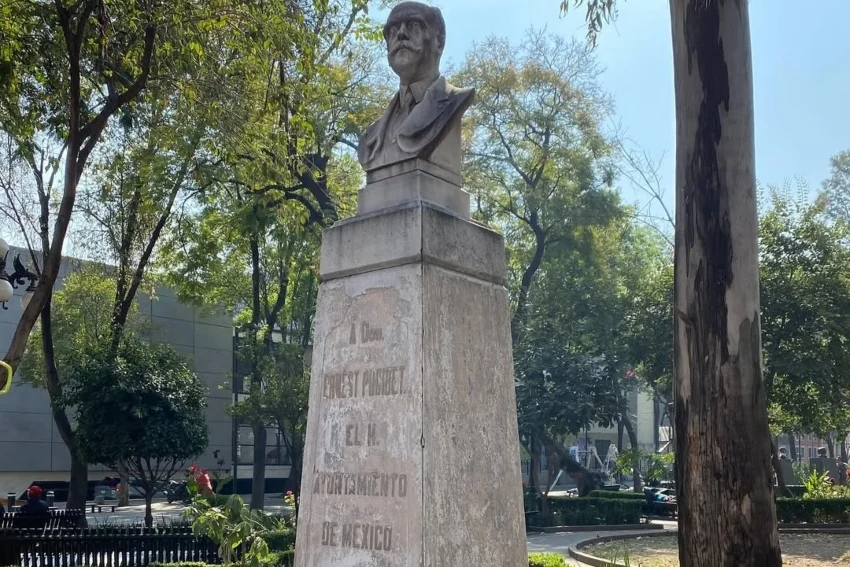
In this backdrop, one businessman’s journey reveals both the opportunities and challenges of that time. Ernesto Pugibet, a French immigrant, founded El Buen Tono, a company that not only revolutionized the tobacco industry but also became emblematic of Mexico’s modernization.
El Buen Tono began as more than just a tobacco manufacturer; it symbolized ambition in a rapidly changing society, setting standards that others followed. Having arrived in Mexico in 1879 after political disruptions in Cuba, Pugibet sought to apply his expertise in a new and vibrant market. His early ventures in the tobacco field coincided with a growing interest in the modern cigarette, a product that was gaining popularity among Mexicans.
Initially, Pugibet started modestly, employing just a few workers to make handmade cigarettes. His fortunes changed with the introduction of mechanical rolling machines from the United States, which he utilized to meet the increasing demand among factory workers flooding into urban areas. This shift not only made cigarettes more accessible but also reduced their price, allowing a larger segment of the population to enjoy them.
The political climate of the time significantly benefited Pugibet’s business. His marriage to Guadalupe Portilla opened doors to new investments, enabling him to expand his operations. As urban centers grew, a new consumer base emerged, eager for tobacco products produced by modern methods. Pugibet’s advertisements played a crucial role in shaping consumer habits, transforming the cigarette from a luxury item into a staple in the daily lives of many Mexicans.
El Buen Tono soon became a household name, gaining recognition not just locally but also internationally, notably at the Paris Exposition Universelle in 1889, where it won acclaim and further elevated its brand. Meanwhile, the factory evolved into a model employer, offering housing and amenities like baths for its predominantly female workforce. However, this was not without its complications, as labor conditions reflected broader societal inequalities, with women often receiving lower wages than their male counterparts.
As competition intensified, smaller tobacco companies struggled to survive, and El Buen Tono began to dominate the market through clever marketing strategies. The company became known for its vibrant advertisements, many of which featured characters from comic strips that resonated with the Mexican public, solidifying its place in the cultural landscape.
However, the onset of the Mexican Revolution in 1910 marked a turning point. Labor unrest and strikes disrupted production, and many businesses, including El Buen Tono, faced immense challenges. While Pugibet’s company managed to endure these tumultuous changes thanks to prior successes and the strong brand loyalty it had built, the golden age of growth and stability in the tobacco industry came to a close.
Today, Pugibet’s legacy and the story of El Buen Tono serve as both a tribute to the ambition that defines Mexico and a reminder of the profound complexities that come with economic progress. Understanding this history can help frame conversations about equitable growth and the ongoing challenges faced by workers in contemporary society.