

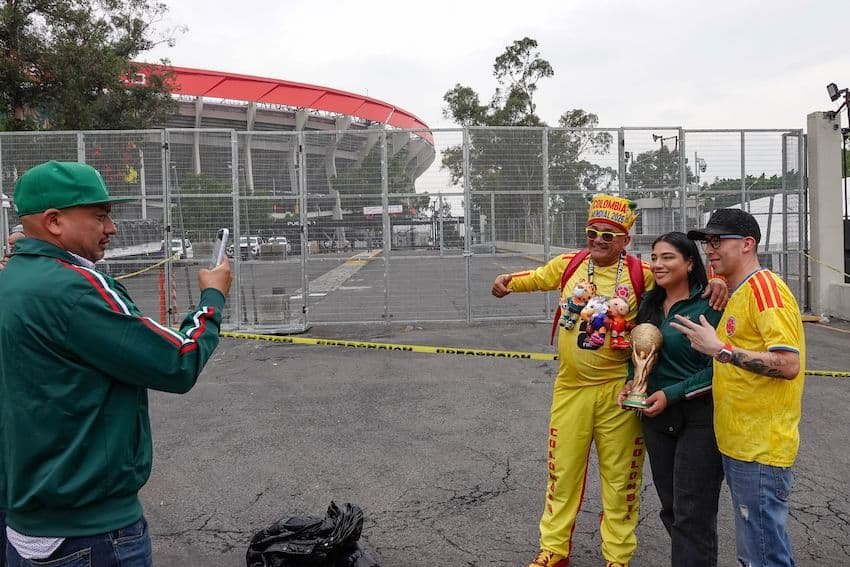
The much-anticipated World Cup has not yet brought the expected economic boost to Mexico, leaving many citizens and businesses wondering how this global event will truly impact their daily lives. As hotel occupancy rates fall below projections, particularly in Mexico City, concerns grow over the immediate benefits that were promised. According to the Mexican Employers’ Confederation (Coparmex CDMX), hotel occupancy in the capital reached only 65% during the opening weekend, a stark contrast to the targeted 80%.
In Monterrey and Guadalajara, the other two host cities, occupancy rates reflected similar struggles, with Monterrey at 60% and Guadalajara lagging at just 50%. These numbers, which were anticipated to surge thanks to an influx of 5.5 million visitors, highlight a troubling discrepancy between expectations and reality. Coparmex has suggested that these projections may have been overly optimistic, raising questions about the potential 60 billion pesos, or approximately US $3.5 billion, in economic benefits.
Local businesses have shared their worries, noting that while larger hotel chains may see improved occupancy, many small businesses are already facing challenges such as increased competition, road closures due to events, and reduced foot traffic. Complaints from residents and commuters echo these sentiments, citing issues like traffic congestion and diminished access to essential services.
The government of Mexico City has faced criticism regarding the effectiveness of its preparations. As Coparmex pointed out, numerous structural problems remained unaddressed prior to the tournament, creating a difficult environment for both businesses and visitors. Additionally, the organization expressed interest in collaborating with authorities to address these issues, emphasizing that temporary measures like remote work should not replace long-term solutions to ongoing challenges in public services and infrastructure.
As the tournament continues, many are watching closely to see if occupancy rates will rise and if this event will ultimately deliver the economic promise that so many have hoped for. The sense of community resilience remains strong, but the path forward requires open dialogue and practical strategies to support both residents and businesses during this critical time.