

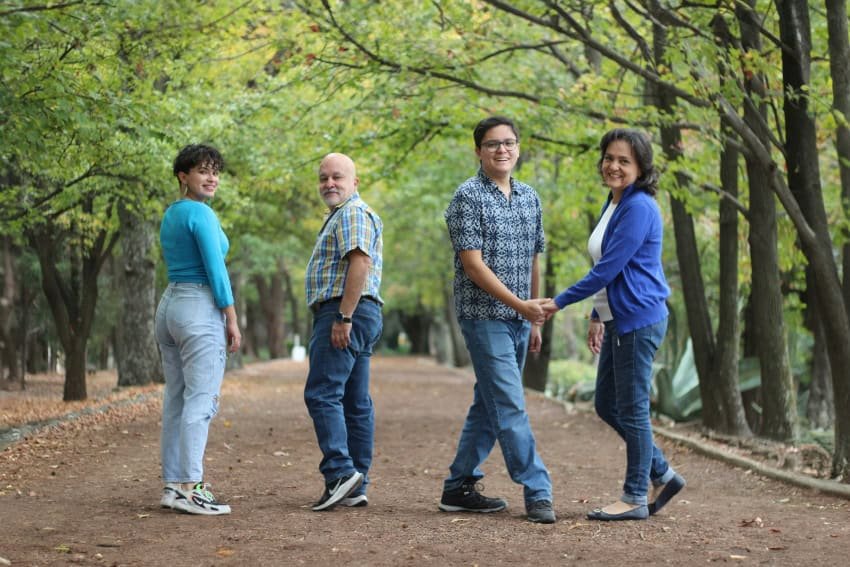
For countless families across Mexico, visiting the United States is about more than just sightseeing; it represents a chance to strengthen family bonds. Many travel to spend precious moments with children in Texas, support loved ones after important life events, or lend a hand when a family member is in need. With around 40 million people of Mexican origin now residing in the U.S., understanding the complexities of U.S. immigration law regarding family visits is crucial.
Recent changes in the B-visa landscape have made navigating this process more challenging for Mexican travelers. The refusal rate for B-2 visas has risen significantly, reaching over 21% in the last fiscal year. This increase is particularly concerning for families, as new regulations now require in-person visa interviews for applicants aged under 14 and over 79, which adds an additional layer of scrutiny for grandparents wishing to visit grandchildren.
When assessing visa applications, officials often grapple with the question: When does a temporary visit start to appear as residency? This issue is increasingly significant for those visiting family in the U.S. A mother from Guadalajara, who spends several months helping her daughter post-delivery, may face increased questioning about her intentions. The U.S. Customs and Border Protection (CBP) evaluates each visit individually, meaning that a previous admission does not guarantee future approvals. Visitors must demonstrate that their stays are genuinely temporary and that they maintain a life in Mexico, whether through property ownership or community ties.
Legitimate family assistance activities, such as caring for a sick relative or helping a grandchild, should not be misinterpreted as unlawful, yet prolonged visits can trigger questions of residency. If a traveler frequently spends extended periods in the U.S., officials may wonder about their true living arrangements. Indeed, many family dynamics can inadvertently conflict with strict immigration policies.
Another aspect to consider is the need for transparency about travel history. The government’s ability to access past travel patterns highlights the importance of honesty during visa applications. Aspiring visitors should clearly articulate their intentions and ensure their circumstances align with temporary travel guidelines. Most Mexican travelers ultimately gain entry, but misinterpretation of intent can lead to severe repercussions, from visa cancellation to denials of admission.
Amid these complexities, it’s essential for families not to shy away from spending time together. Visiting loved ones is a rightful use of the B-2 visa, and as families adapt, they must remain aware of the distinctions between visiting and living in the U.S. Understanding these nuances will not only facilitate family connections but also help protect against unintended immigration misunderstandings. A clear focus on the intent and nature of each visit can help ensure that families remain connected across borders without falling into the traps set by stringent immigration policies.