

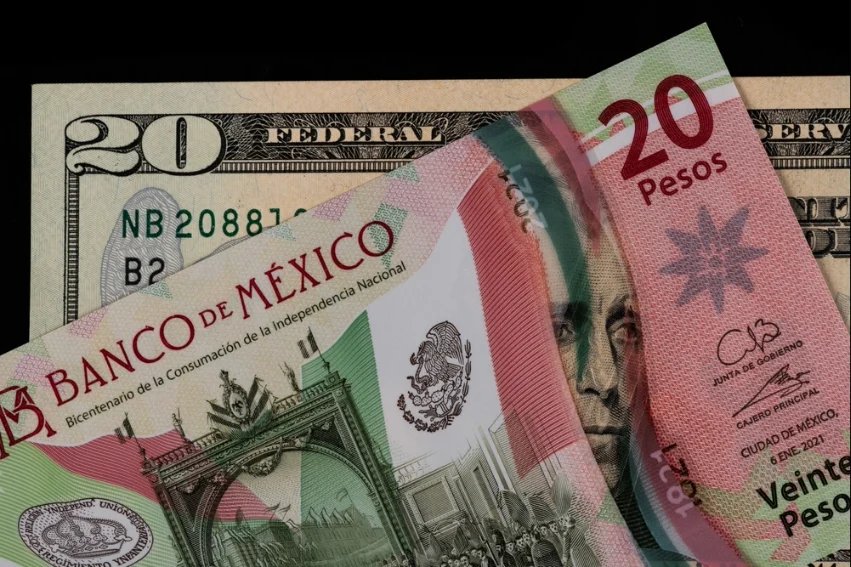
The Mexican peso has seen a notable decline, depreciating over 1% against the dollar, which now stands at 17.50. This shift highlights the daily impact of international financial policies on Mexican households. As the cost of imports rises, many families may soon feel the pinch in their budgets.
Market adjustments are largely due to the anticipated decisions from the U.S. Federal Reserve regarding interest rates. Recent comments indicate a strong likelihood of further rate hikes, as traders assign a 54% probability to a potential increase in October. This can affect the purchasing power of everyday Mexicans.
Just last week, the Federal Reserve raised its benchmark interest rate by 25 basis points to a range between 3.75% and 4.00%. This tightening hints at a continued battle against inflation, which can directly affect mortgage rates and loan costs for many citizens here.
Traders are also keenly watching the upcoming monetary policy decision from the Bank of Mexico (Banxico), scheduled for Thursday. Most expect Banxico to maintain its key rate at 6.50%, promoting stability in the financial landscape for now. However, the growing disparity between U.S. and Mexican rates, currently around 250 basis points, could lessen the attractiveness of peso investments.
Moreover, the dollar’s global strength is contributing to the peso’s woes. As the dollar index approaches 100.7—its highest in about eight weeks—this trend casts a shadow over the peso, which had previously enjoyed periods of strength.
While decreasing oil prices might ease some inflationary concerns globally, they haven’t yet infused sufficient strength into the peso’s recovery. As these financial currents continue to shape our economy, it’s essential for citizens to remain informed and prepared for any changes that may affect their lives in the near future.