

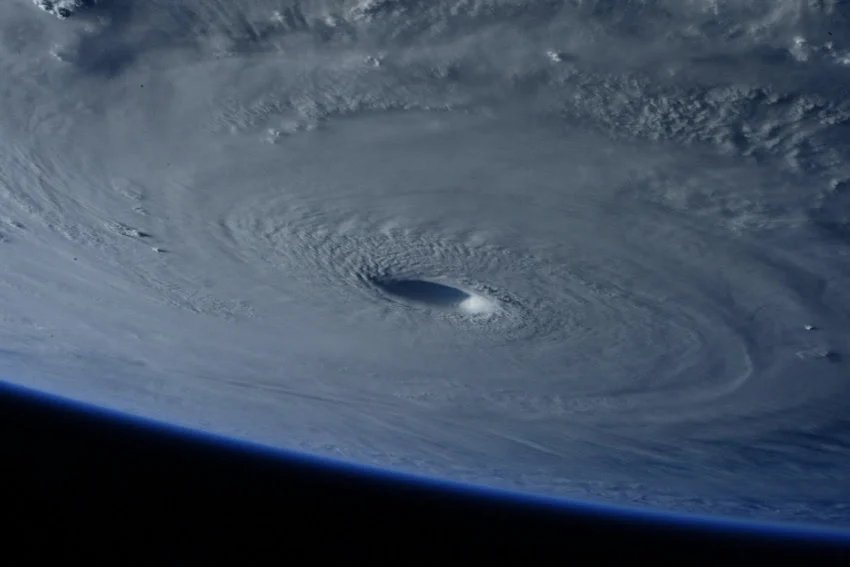
Hurricane season is approaching, and this year may bring challenges to Baja California Sur as citizens prepare for potentially severe weather. With the season running from May 15 to November 30 in the Eastern Pacific, the local community is attuned to the possibility of major hurricanes due to a combination of overdue history and concerns related to a powerful El Niño phenomenon. Residents recall the devastation of Hurricane Odile in 2014, which inflicted over a billion dollars in damage. As they reflect on past storms that have marked the region, the urgency to prepare grows stronger.
Scientists suggest that the frequency of major storms does not follow a strict timeline, but many locals believe that it feels like a significant hurricane is due. The looming prospect of a “Super El Niño”—a phase characterized by ocean temperatures rising 2 degrees Celsius or more above average—adds to the concern. Current trends indicate a likelihood that this weather pattern could intensify before the season ends, which might extend the duration of possible hurricanes.
Hurricanes typically develop when ocean temperatures reach at least 26.5 degrees Celsius. As such, warmer water not only increases the likelihood of storm formation but can also make storms stronger and longer-lasting. This year, the Pacific Ocean’s surface temperatures are reportedly at record highs, leaving residents and meteorologists worried about unprecedented conditions for hurricane activity.
With projections indicating increased storm activity, meteorological forecasts estimate between 15 to 22 named storms this season, with a significant number expected to reach hurricane status. The National Meteorological Service of Mexico provides slightly more conservative figures, but the anticipation of heightened activity remains clear.
Governor Victor Castro emphasized the importance of preparedness in his recent messages to the community. He urged residents, especially those in high-risk areas, to follow safety recommendations and remain vigilant. The essential task is to avoid complacency and ensure that families are ready for emergencies, which includes having an emergency backpack containing essential supplies to weather the storm.
Municipalities such as La Paz and Los Cabos have activated operational plans, designating numerous temporary shelters and response brigades. These efforts signify a proactive approach to disaster management, reinforcing community resilience as hurricane season progresses. Both regions have established designated shelters, comprehensive response strategies, and trained personnel to deploy in emergencies, illustrating a collective commitment to safeguarding lives.
As Baja California Sur braces for potential storms, the community’s shared concern and diligent preparations reflect a deep understanding of the challenges ahead. Preparing together strengthens the region’s resolve, ensuring that families can weather the storm and emerge stronger on the other side.