

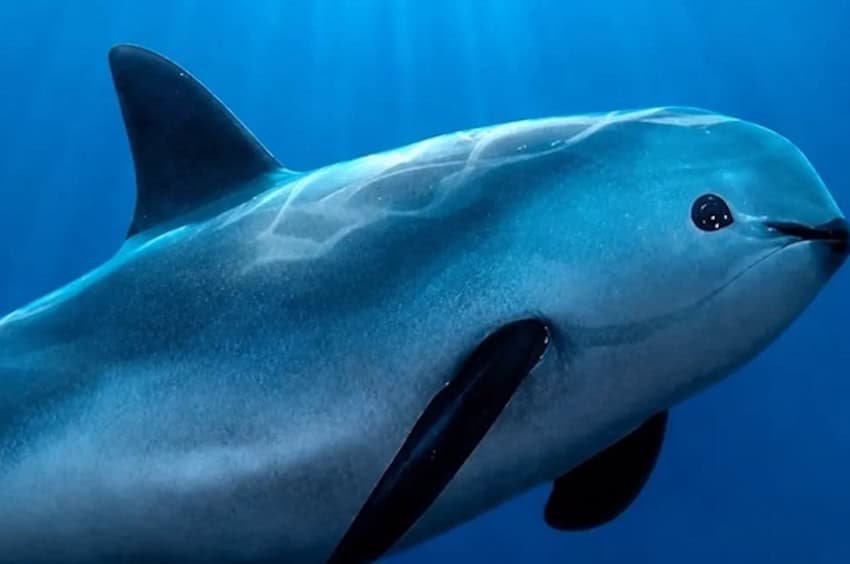
Mexico faces an urgent deadline as it works to protect the vaquita porpoise, the world’s most endangered marine mammal, and other species in the Gulf of California. By February 1, the Government of Mexico must demonstrate to UNESCO that it is taking effective measures to safeguard this vital ecosystem from threats such as liquefied natural gas projects, including Saguaro Energía LNG and AMIGO GNL. This landmark decision follows UNESCO’s World Heritage Committee meeting in Busan, South Korea, where they underscored the need for “concrete actions” to preserve the Gulf of California National Park.
The urgency of the situation is heightened as global awareness about the vaquita grows. Recent events, including International Save the Vaquita Day, have prompted the Mexican government to showcase new initiatives like monitoring campaigns and training programs for community observers. The Ministry of Environment and Natural Resources (Semarnat) has highlighted efforts involving young residents from San Felipe, Baja California, who received hands-on training with scientists to observe vaquitas in their natural habitat. This program equips local youth with the tools to actively participate in conservation.
During a ten-day training cruise aboard Sea Shepherd’s vessel, participants utilized advanced techniques, including acoustic detectors, to gather critical data on the tiny vaquita population, which primarily inhabits a restricted area often referred to as the “Aquarium of the World.” Despite the risks posed by illegal fishing nets, which primarily target the totoaba fish—a species valued for its swim bladder—some observers reported sightings beyond core refuge areas, suggesting a glimmer of hope for the critically endangered vaquita.
Currently, estimates indicate that there are between seven to ten vaquitas remaining in the wild, with some indications of their population stabilizing, albeit at alarmingly low levels. However, the ongoing threat from illegal fishing practices continues to jeopardize their survival. Poachers and even legal fishing operations can accidentally ensnare vaquitas, severely impacting the species.
Furthermore, potential developments such as liquefied natural gas plants increase the risks not only for vaquitas but for other marine life in the Gulf. In light of these challenges, UNESCO has requested a detailed report from Mexico regarding these projects to ensure the region’s ecological integrity is maintained.
As the nation mobilizes efforts to protect this unique marine treasure, the stakes could not be higher for the communities and wildlife that depend on a healthy Gulf of California.