

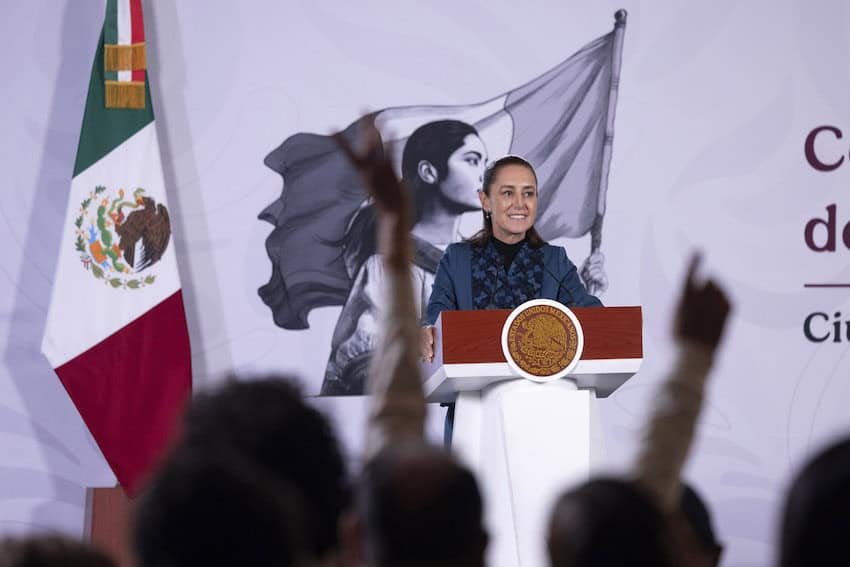
In a heartfelt response to the devastating earthquake that struck Colombia, President Claudia Sheinbaum assured the Mexican public that their government stands ready to assist. The quake, recorded at a magnitude of 7.4, devastated the Chocó department and tragically resulted in at least 47 fatalities. This solidarity highlights Mexico’s commitment to supporting its neighbors in times of crisis and reflects the interconnectedness of nations in the face of natural disasters.
Addressing pressing national concerns, Sheinbaum reiterated the need for regulation of social media platforms such as Facebook, Instagram, and TikTok, particularly in connection with children’s usage. She emphasized that this issue must be approached collaboratively, involving input from teachers and parents to develop a bill that seeks to protect young users while promoting responsible digital citizenship. The discussions around social media regulation come amidst growing concerns over children’s attention spans and their dependence on instant information, as noted by Education Minister Mario Delgado. He highlighted the challenges faced by educators in engaging students who are accustomed to digital immediacy.
In a nod to Mexico’s cultural heritage, Sheinbaum proposed renaming the historic Paso de Cortés, a mountain pass named after the Spanish conquistador, to “Paso de los Pueblos Indígenas,” or Pass of the Indigenous People. This suggestion, announced on International Day of the World’s Indigenous Peoples, seeks to honor the rich legacy and contributions of Indigenous communities. The proposal aims to reshape national narratives and foster a collective understanding of Mexico’s diverse history.
Sheinbaum’s remarks during the press conference not only respond to immediate challenges but also highlight broader cultural and social issues, engaging citizens in conversations that impact their daily lives and the future of the nation. The emphasis on cooperative dialogue and cultural respect resonates deeply in a society that continues to navigate complex historical legacies while striving for a more inclusive future.