

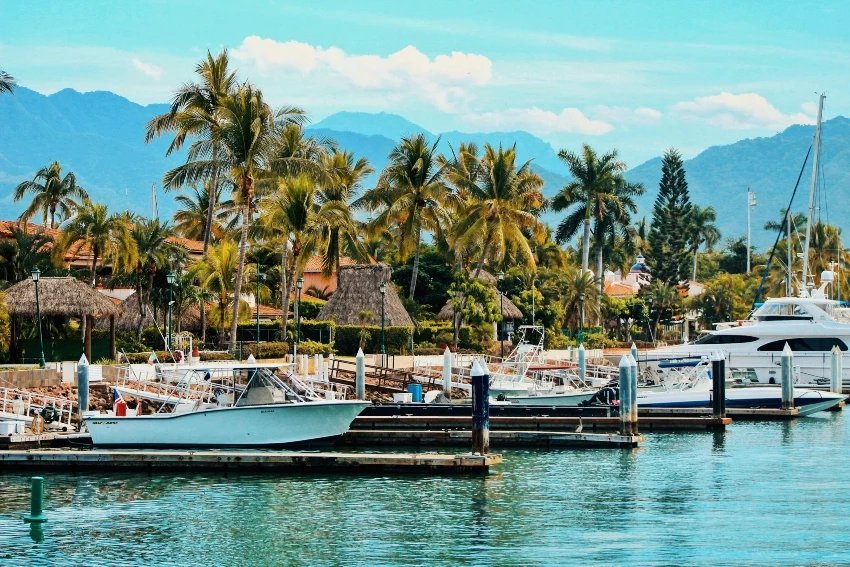
Recent changes in Puerto Vallarta’s atmosphere are leaving residents wondering about the future of their beloved city. Unlike typical low seasons, this summer feels unusually quiet, with fewer tourists enjoying local beaches and dining spots. The impact is felt by businesses, which now face challenges due to empty tables, smaller tours, and a growing uncertainty about returning crowds.
A significant factor in this change can be traced back to events in February, marked by heightened violence during a military operation against cartel leader Nemesio Oseguera Cervantes, known as El Mencho. This incident not only led to immediate disruptions like roadblocks and canceled flights but also left a lasting impression that continues to deter potential visitors. Though Puerto Vallarta reopened swiftly after the crisis, many international travelers might still associate the area with those alarming images, making them hesitant to book trips.
In addition to local circumstances, Puerto Vallarta is now navigating increased competition for vacationing travelers’ attention. With more options available for families planning their holidays, the city must provide not only high-quality experiences but also good value for money. As some restaurants raise prices in response to economic pressures, visitors are left questioning if the value matches their expectations.
Tourism is a crucial backbone of Puerto Vallarta’s economy, affecting everyone from restaurant staff to taxi drivers and local artisans. When the influx of tourists wanes, the ripple effects extend far beyond the hospitality sector. Those employed in tourism-related jobs rely heavily on the flow of visitors, emphasizing the interconnectedness of the local economy.
Moreover, local residents play an invaluable role in supporting their community through patronage. Daily choices like dining out or shopping at local businesses can significantly impact the economic landscape. The summer slowdown invites locals to explore their own city anew—perhaps trying a long-awaited restaurant or supporting an independent shop.
While concerns such as crime and infrastructural challenges still affect Puerto Vallarta, they coexist with the city’s stunning natural beauty and vibrant culture. Long-term locals can offer personal insights into the community that marketing campaigns cannot. Their stories hold weight, reassuring potential visitors that the city is still a remarkable place to experience.
The current situation presents an opportunity for reflection among residents. Instead of merely questioning the absence of tourists, the focus could shift toward ensuring that Mexico’s rich offerings will continue to entice future visitors. By engaging with the local economy and sharing authentic experiences, every resident contributes to a collective investment in Puerto Vallarta’s future.
When the community thrives, it creates a welcoming environment that benefits everyone, reaffirming that tourism is a shared responsibility and a vital investment in the city that many call home.