

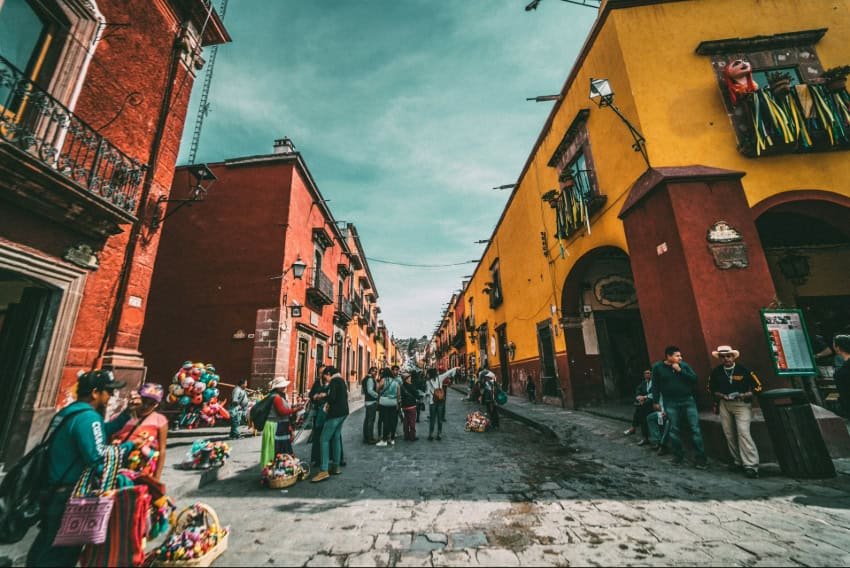
San Miguel de Allende, a charming city in central Mexico, has become a beacon for international tourists, particularly from the United States. With its picturesque colonial architecture and vibrant arts scene, San Miguel attracts over two million visitors each year, making it a critical player in the local economy. This influx not only benefits local businesses but also enriches the cultural fabric of the community.
Historically, San Miguel gained prominence around 80 years ago when art schools began to flourish, inviting Americans to study abroad. This shift paved the way for hotels and restaurants that cater specifically to tourists, especially from the U.S. The city’s designation as a UNESCO World Heritage site in 2008 further heightened its appeal, drawing more visitors eager to experience its unique blend of history and modernity.
What sets San Miguel apart from other destinations like Guanajuato or Querétaro is its welcoming atmosphere for American tourists. Many find comfort in the prevalence of English-speaking locals and familiar amenities such as American-style restaurants and sports bars. This familiarity encourages more Americans to visit, creating a cycle where increased tourist numbers lead to more establishments catering to their preferences.
Social media has also played a significant role in boosting San Miguel’s profile, with its stunning landmarks providing perfect backdrops for Instagram posts. The famous Parroquia de San Miguel Árcangel, with its striking pink facade, and its lush gardens are just a couple of examples of the photogenic spots that attract attention.
Though San Miguel has gained recognition, it remains less widely known in the U.S. compared to beach destinations like Cancún and Puerto Vallarta. Despite its growing popularity, challenges persist. The increasing cost of living and the gentrification of neighborhoods have raised concerns about the long-term impact on local residents and jobs beyond the tourism industry.
While San Miguel offers a unique blend of Mexican culture and comfort for tourists, its heightened appeal could also overshadow the charm of similar towns in the Bajío region. Visitors will find an international atmosphere with locals and expats coexisting, but this thriving tourism scene raises questions about the sustainability of such rapid growth. Balancing tourist appeal with the needs of the local community remains a vital conversation as San Miguel continues to evolve.