

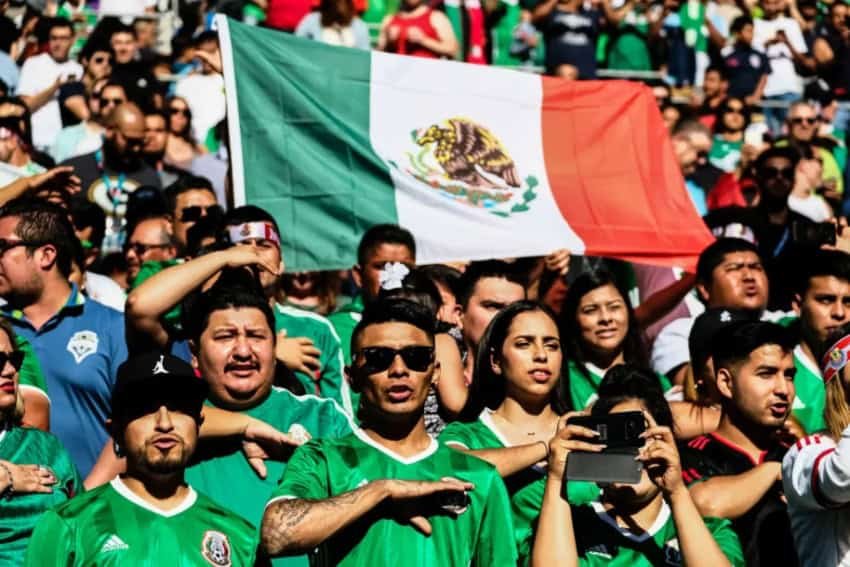
In Mexico, simple gestures can hold significant cultural weight, affecting everyday interactions. For instance, pointing at someone may lead to misunderstandings, as it is generally seen as impolite. This cultural nuance is essential for anyone navigating social spaces in the country. Understanding local customs can help foster smoother communication and avoid unintended disrespect.
Upon arriving in Mexico, newcomers might also find themselves puzzled by political billboards. A large ‘X’ over a candidate’s name suggests a vote against them rather than for them. Clarifying these symbols helps to decode political messages, promoting an informed electorate.
While adapting to these gestures, locals often rely on non-verbal communication. For those unfamiliar, a waggling finger can firmly convey refusal, especially when confronting persistent street vendors. This gesture reflects a blend of familiarity and assertiveness useful in daily life. Similarly, when expressing gratitude, raising a hand with your palm facing the recipient is a warm, universally understood way to say “thank you”, particularly when crossing the street.
Encounters in Mexican society often involve a little theatrical flair with gestures. For example, a slow hand shake accompanied by a hissing sound can denote trouble, particularly in playful interactions among children. It serves as an indicator that attention is needed, emphasizing emotions during story-telling moments.
In many social contexts, hand signals become indispensable tools. When it comes time to ask for the check at a restaurant, a simple, mimed writing motion can successfully alert the server without creating a fuss. An understanding of these gestures eases the integration process for those new to the culture.
For those navigating social dynamics in Mexico, observing and mimicking these practices could significantly enhance communication. With a little patience and practice, anyone can adeptly pick up on these subtleties.