

Mexicans have a unique love for the spicy-sweet taste of chamoy-flavored candies, a cherished experience that many have grown up with. These confections evoke warm memories, often shared among family following Sunday services. However, for those unfamiliar with this flavor combination, such as a Colombian friend who reacted with surprise, the spicy kick can be overwhelming, highlighting a rich cultural distinction in how we enjoy sweets.
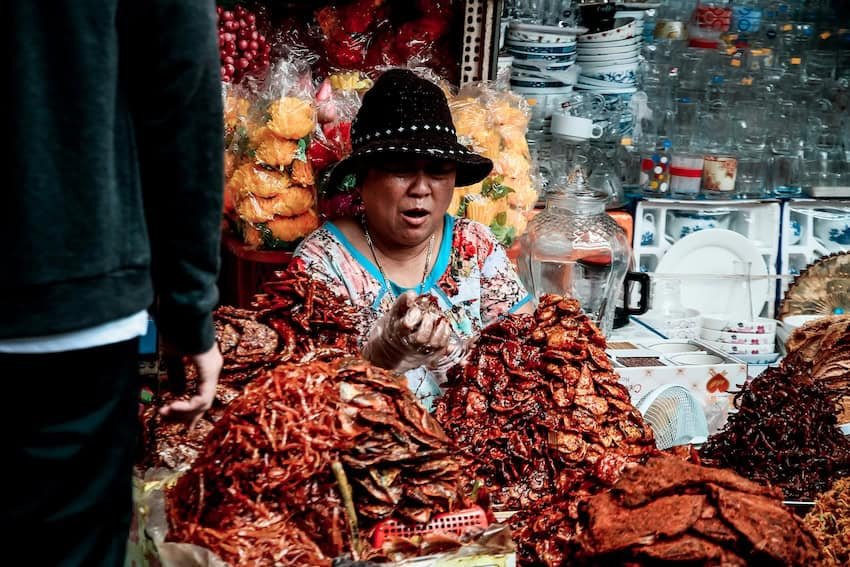
The evolution of chamoy has deep historical roots that trace back to the era of Spanish colonialism. The Manila galleons, which operated between 1565 and 1815, facilitated the exchange of goods, introducing influences from Asia to Mexico. Among these was the sour fruit known as see mui, which later morphed into the uniquely Mexican chamoy as it incorporated local ingredients like lime and chile.
This transformation didn’t just happen overnight. Chamoy began as a cherished fruit snack and has since evolved into a popular condiment used in various dishes, from fruit to snacks. The introduction of commercial brands like Chamoy Miguelito in 1971 contributed significantly to this transformation, spreading the love for this flavor across the nation.
Today, a variety of candies bear the chamoy mark, enticing both young and old alike. The blend of chocolate, chile, and chamoy showcases the delicious complexity of Mexican flavors that many continue to enjoy. As adults, just the thought of these spicy-sweet treats brings back nostalgic childhood memories, underscoring the joy that such simple pleasures can bring. Chamoy remains a reminder of how we’ve embraced and adapted influences from around the world, creating something distinctly our own.