

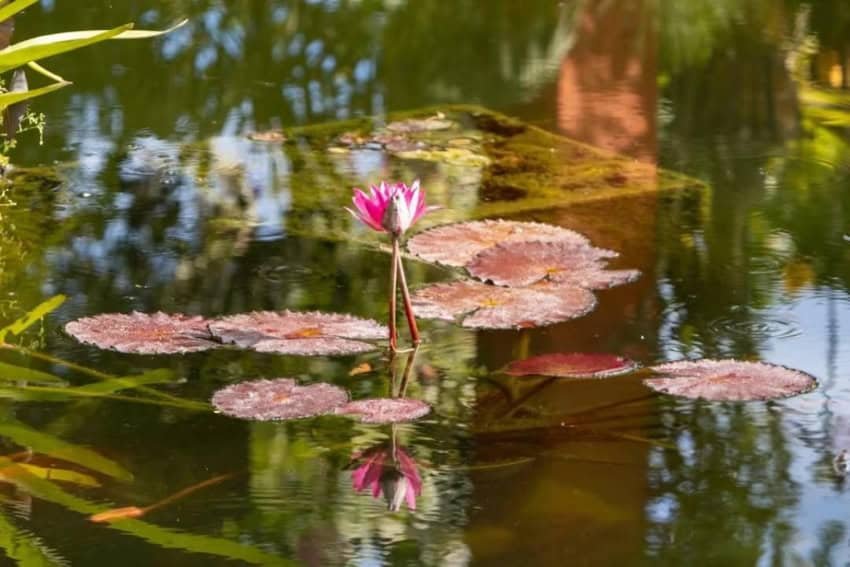
The Vallarta Botanical Gardens (VBG) recently unveiled its 2025 Annual Report, shedding light on its significant contributions to conservation, research, and education. This public disclosure comes during a time when environmental awareness is crucial, emphasizing how the VBG influences the daily lives of citizens and preserves the natural beauty of Mexico.
Located south of Puerto Vallarta, the Gardens attract visitors with their stunning orchids and scenic trails, but the report reveals their wider role as a leader in plant conservation and environmental sustainability in western Mexico. Established in 2004 on previously degraded land, the VBG now stands as a vital institution dedicated to preserving regional plant biodiversity.
The collection boasts over 1,200 plant species and hybrids, with blooms from more than 1,000 species throughout the year. This remarkable diversity includes approximately 30 species found exclusively in Jalisco, illustrating the region’s unique ecological significance. Protecting these plants matters not just locally but globally, as many are irreplaceable.
Conservation remains at the heart of the VBG’s mission, with the report highlighting the status of at least 60 plant species classified as at risk by Mexican authorities. The institution’s collections also include over 250 species identified by the International Union for Conservation of Nature as vulnerable or endangered. Supporting these efforts is essential, as cultivating threatened species cultivates genetic diversity crucial for future restoration and recovery initiatives.
Research plays a major role in safeguarding native plants as climate change and urban development put them at risk. Ongoing studies aim to better understand how to propagate and care for these species, ensuring that knowledge is shared with other institutions and conservation efforts both in Mexico and beyond. The VBG operates as a living laboratory, merging horticulture with science to advance the preservation of Mexico’s botanical heritage.
The Gardens are a vital educational resource for Mexican youth. Each year, thousands of children participate in environmental programs that encourage them to appreciate and protect native ecosystems and biodiversity. Through hands-on learning experiences, students gain insights into the environmental challenges facing the region.
Furthermore, the VBG’s initiatives extend beyond its grounds, addressing conservation in nearby areas like the Los Horcones River Basin. These projects emphasize community involvement and environmental stewardship, highlighting the importance of collaboration with local residents and volunteers.
As one of Puerto Vallarta’s most popular attractions, the VBG plays a key role in promoting tourism that directly supports conservation efforts. Visitor admissions and memberships generate crucial funding for research, educational outreach, and sustainability projects.
The Annual Report gathers the institution’s achievements, offering transparency on resource allocation and future priorities. It invites community engagement through memberships and volunteering, reinforcing the connection between educational tourism and environmental preservation.
For many, the Vallarta Botanical Gardens are synonymous with breathtaking landscapes and tranquil vibes. However, the recent report sheds light on its deeper commitment to scientific discovery and conservation leadership. As environmental challenges become more pressing, botanical gardens like the VBG are emerging as essential players in preserving our planet’s rich biodiversity for generations to come.