

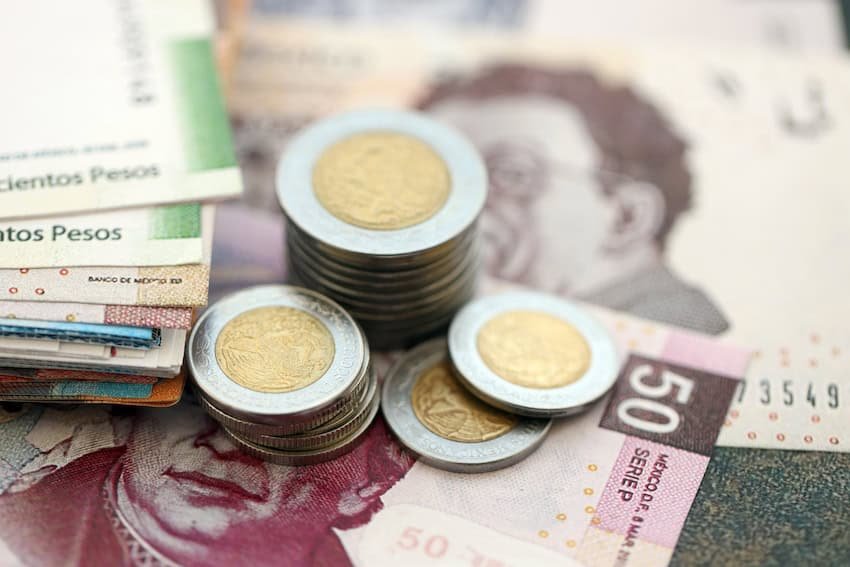
In the coming year, the Mexican peso is expected to hover around 18 to the US dollar, a forecast made by foreign exchange experts. This projection is crucial for everyday citizens, as fluctuations in the peso directly impact prices of goods and services, ultimately affecting family budgets and spending power across the country.
A recent survey by Reuters gathered insights from 24 financial specialists, revealing a median estimate of 17.78 for the peso against the dollar in 12 months. This suggests a modest decline of approximately 1.6% from the current exchange rate of just under 17.50. With the peso’s history of trading between 16 and 22 per dollar since mid-2015, it shows relative stability but also highlights ongoing uncertainties that could affect purchasing power for many families.
The Bank of Mexico noted recent economic growth—1.2% from March to April and 2.2% year-over-year—although the International Monetary Fund anticipates a yearly expansion of just 1.6% for the broader economy. These figures reflect a recovering economy, yet concerns linger over trade agreements such as the USMCA, which are currently under review. As families plan their finances, these developments will be integral to understanding market stability.
Experts warn that if the central bank decides to cut interest rates, this could further weaken the peso. Currently, Banco de México holds the key interest rate steady at 6.50%, and there are no immediate indications of a reduction, which could be reassuring for those relying on stable borrowing conditions.
In the past six months, the peso has shown some strength, appreciating about 2.85% since the end of December 2025. Trade and market dynamics will play a pivotal role as Mexicans navigate their financial futures, with implications for everything from groceries to education. This context makes it vital for citizens to stay informed about economic shifts that could influence their daily lives.