

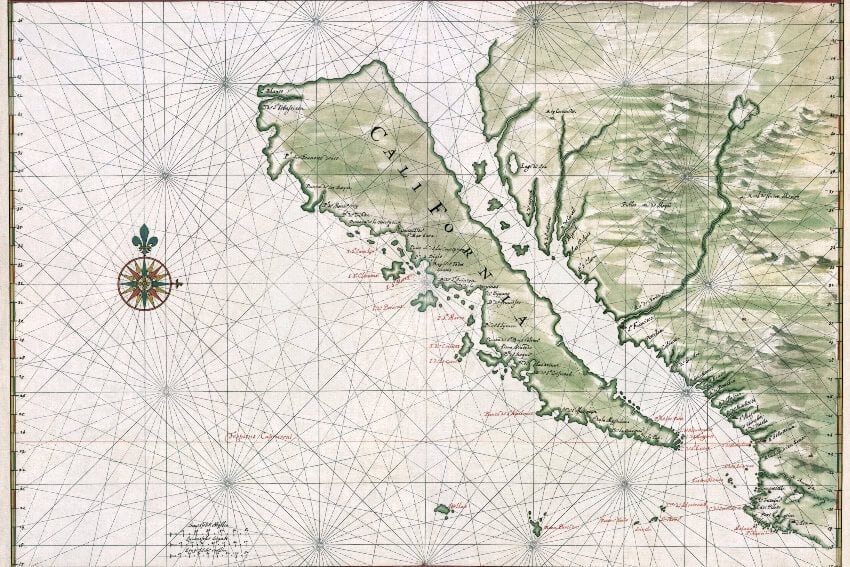
Mexico, a nation sprawling across 1.96 million square kilometers, is not only the 13th largest country in the world but also a land rich in history, significantly influencing not just the continent but the world itself. Its geographical history reveals how Mexico once extended its reach into what are now several U.S. states, showcasing a past marked by both expansion and exploration that continues to shape the daily lives of its citizens today.
In the early days of European colonization, Spain’s conquest of the Mexica Empire in 1521 set the stage for exploration that would change the course of North American history. While Spain initially focused on Central America due to its wealth in resources, Mexican territories became a vital center for the Spanish Empire, extending thousands of kilometers across the Americas. This historical backdrop resonates with many Mexicans who continue to celebrate their rich heritage and cultural identity.
Shipbuilding along the Pacific coast experienced significant growth due to a combination of necessity and exploration. Spanish captains, faced with treacherous waters, eventually found ways to transport and rebuild ships on side of the isthmus of Panama. Acapulco emerged as a critical hub, encouraging local economies and maritime trade that would connect distant lands and cultures.
Explorations in California began with Hernán Cortés sending expeditions as early as 1533, driven by tales of gold and other riches. While these early explorers did not achieve their dreams, they laid the groundwork for future generations by establishing a European presence on the West Coast. Municipal legends are born out of these stories, igniting the interest of many who inherit a sense of adventure.
The Manila galleons, which sailed between Asia and Mexico, not only facilitated trade but revealed the significance of maritime routes in enriching both societies. Each year, galleons would traverse the California coast, fostering connections that would influence the commerce and culture of the regions involved. This transcended mere trade; it was a complex weave of human stories that continue to resonate.
As English privateers began to pose a threat, the Spanish focused more intensely on securing safe harbors. Efforts intensified to explore California’s coastline, yet challenges persisted. While many corners were charted, critical areas went unnoticed, reflecting a period when the ambitions of Spanish explorers were met with both triumphs and unmet expectations.
José de Gálvez’s arrival in the 1760s marked a pivotal development for California. Amid a financially struggling empire, his vision for exploration and colonization would eventually call forth the establishment of missions. Guided by leaders like Don Gaspar de Portolá and Father Junípero Serra, the expedition aimed to create settlements that would help secure this distant land while enriching its cultural fabric.
The arduous journey of these early settlers was not without hardship. Following the first supplies delayed in their arrival, small teams forged ahead. They encountered challenges that tested their resolve but ultimately discovered crucial harbors, such as San Francisco Bay, that had long eluded earlier explorers. These early missions laid the groundwork for communities that would thrive generations later.
In essence, the history of Mexico is deeply intertwined with the stories of exploration and settlement that not only defined the nation’s past but also shaped the lives of its people today. This journey continues to be honored and explored by generations, reminding us of the resilience and richness of Mexican culture.