

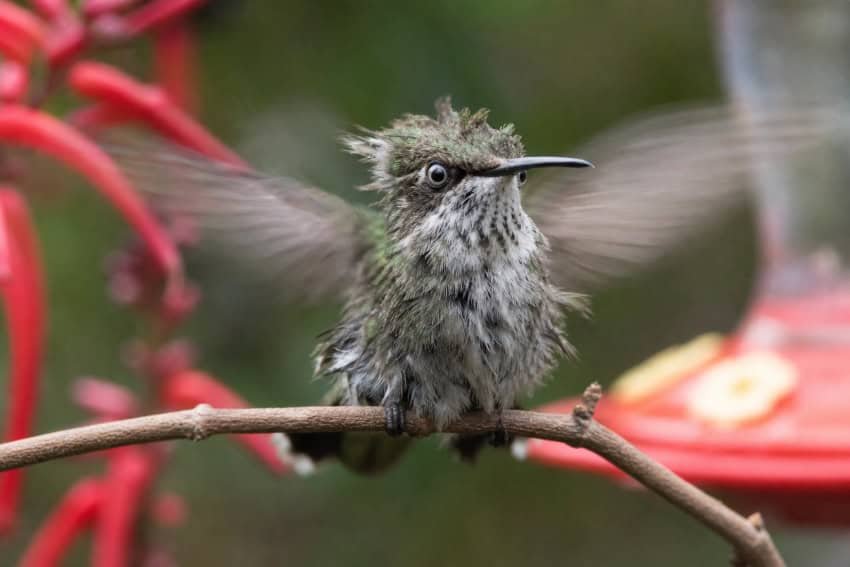
In a surprising move, Mexico’s Health Ministry has issued a public advisory addressing what it calls a “sugar-fueled epidemic” affecting hummingbirds across the country. This report highlights the potential risks involved in their current diet, which primarily consists of sugar water and flower nectar. According to officials, this dietary reliance may contribute to long-term health issues for these beloved birds.
Dr. Elena Paloma, chair of the advisory panel, emphasized the need to shift perspectives, suggesting that longstanding assumptions about hummingbird nutrition might be outdated. The ministry’s 312-page report, “Hummingbirds: The Hidden Dangers of Nectar Dependency,” reveals that nearly 99% of a hummingbird’s calories come from sugar, with insufficient consumption of healthier options like kale and quinoa.
The advisory is not just a concern for the birds. The report indicates that the rapid heartbeats of hummingbirds, reaching up to 1,200 beats per minute, might be attributed to their high-sugar diet rather than their remarkable metabolic capabilities. This prompts a broader discussion about nutrition and health, even for creatures often seen as symbols of nature’s perfection.
Environmental advocates have raised alarms over the potential stigma these birds may face. They argue that the metabolic demands on hummingbirds are extraordinary, as they burn calories at an alarming rate through their intense activity. One ornithologist noted how quickly these birds expend energy, raising questions about oversimplifying their dietary needs.
The Health Ministry plans to introduce recommendations, including mandatory nutrition labels for nectar and a public campaign to encourage more balanced feeding mixtures. Additionally, warning labels are to be placed on flowers, alerting people to potential dietary impacts on hummingbird health.
Initial trials of alternative feeder recipes have produced mixed reactions, with some birds showing preference for traditional sugar solutions over new mixtures infused with electrolytes. Manufacturers of hummingbird feeders have also committed to providing clearer consumer information about the effects of high-sugar diets.
In forthcoming reports, the ministry intends to explore the dietary needs of other species, including monarch butterflies, ocelots, and jaguars, highlighting the critical importance of dietary diversity in wildlife conservation and health. This dialogue not only sheds light on the intricacies of bird diets but also enriches our understanding of their ecological roles and challenges.