

Recent findings from the MND Mexico Well-being Series shed light on critical educational indicators that directly affect our children’s futures. The data reveals that only 4% of two-year-olds in Mexico are enrolled in early education programs aligning with international standards, starkly contrasting with the OECD average of 50%. This places Mexico last among 30 assessed countries, highlighting a significant gap that can impact early childhood development and learning opportunities for our youngest citizens.
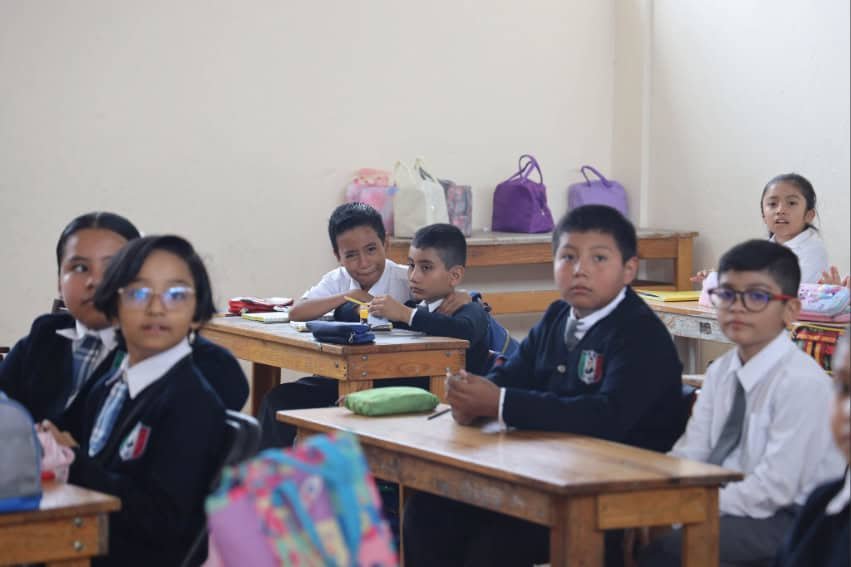
The report also indicates that overall governmental spending on education stands at just 2.9% of GDP in 2023, far below the OECD average of 4.2%. This decline from 4.4% in 2015 raises concerns about our educational infrastructure and the resources available for students. As parents, we must consider how these figures affect our children’s classroom sizes, currently averaging 23 students in primary education. This exceeds the OECD average by two students, stretching our teachers’ ability to provide personalized attention.
Further compounding these challenges, in 2025, around 40% of young Mexicans aged 25 to 34 lacked an upper secondary qualification, significantly higher than the OECD average of 12%. This lack of access to secondary education limits their future employment prospects, exacerbating the educational divide. While we have seen a slight increase in tertiary education attainment among this age group, with 29% now holding such qualifications, it still lags behind more than 30 other countries.
Additionally, the qualifications of our teachers are also a concern. While 82% of preschool teachers meet national standards, this figure is lower than the OECD average. More troubling is the decline in teacher qualifications since 2017, which can affect the quality of education our children receive.
Assessments from the PISA 2025 results show that Mexican 15-year-olds scored below average in reading, science, and mathematics, with discrepancies of up to 75 points compared to OECD standards. Even though overall scores have slightly declined since 2015, the gaps against international benchmarks remain substantial.
Though bullying affects nearly 20% of students aged 15 and 16, showing a marginal improvement from previous years, the rate is still concerning for a safe learning environment. Furthermore, we must address the NEET rate, which indicates that 19% of young adults aged 18-24 are neither in education nor employed, highlighting a critical area for investment in job training and educational initiatives.
These statistics reveal a complex picture of education in Mexico, underscoring the necessity for continued reform and investment in our children’s futures. As a community, it’s vital we stay informed and advocate for the improvements our educational system desperately needs.