

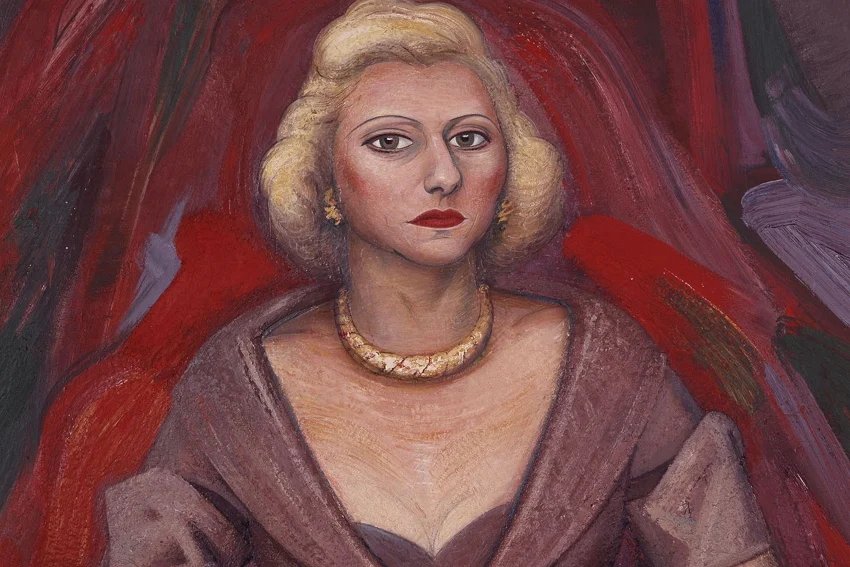
A significant debate has emerged regarding the Gelman Collection, raising important questions about Mexico’s cultural heritage and its implications for the everyday lives of citizens. This collection, which holds numerous artworks by revered Mexican artists such as Frida Kahlo and Diego Rivera, has sparked discussions on whether the government should expropriate these works to ensure they remain part of the nation’s cultural landscape. This controversy underscores the larger issue of how Mexico manages its rich cultural assets, which have become increasingly difficult to maintain due to limited funding and resources.
Mexico is home to one of the largest bodies of cultural heritage worldwide, yet it operates on one of the smallest budgets available for such a vast responsibility. Despite the country’s efforts to safeguard its heritage, a significant disparity exists between the wealth of cultural treasures and the financial resources allocated for their maintenance. The Secretaría de Cultura oversees cultural institutions, but its funding fails to meet the recommendations established by the Carta Cultural Iberoamericana, which suggests a minimum of 1% of national spending should be directed towards culture. Currently, Mexico allocates only about 0.15% of its federal budget to this vital sector.
This funding conundrum reflects decades of policies that have often treated art and culture as tools for promoting national pride rather than commitments to their real preservation and research. The Instituto Nacional de Antropología e Historia (INAH) and the Instituto Nacional de Bellas Artes y Literatura (INBAL) face the daunting task of managing and protecting extensive cultural assets with limited resources. While both institutions share similar budget figures, their responsibilities differ greatly, with INAH covering nearly four millennia of heritage and INBAL tasked with supporting a broad range of contemporary arts and educational programs.
Public funding models often fall short of the reality of running and maintaining museums. Ticket sales from institutions like the Museo Nacional de Antropología rarely cover operational costs, which include salaries, conservation, and security. This situation echoes international experiences, such as at France’s Louvre, where significant reliance on ticket revenue does not adequately address maintenance needs.
The ongoing discussions around the Gelman Collection highlight a pressing need for more comprehensive financial strategies to sustain Mexico’s artistic heritage. Proposing expropriation raises urgent questions about the financial viability of such actions, especially as the suggested budget for the collection would surpass nearly half of the national cultural budget.
Current laws governing the exportation of cultural works may offer limited protection, as the decree to safeguard this important heritage rarely translates into tangible benefits on the ground. Many significant artworks remain in private collections outside Mexico, inaccessible to the public and lacking the oversight required to ensure their preservation.
There is a pathway forward that does not rely solely on expropriating existing collections but rather on fostering a sustainable cultural ecosystem. Solutions could involve extending tax incentives for donations to public art collections, creating a dedicated conservation fund, and facilitating partnerships between private collectors and the state. This would enable richer, more collaborative stewardship of Mexico’s artistic treasures while ensuring they can be shared and appreciated by future generations.
Ultimately, enhancing Mexico’s cultural infrastructure requires comprehensive strategies that prioritize both the preservation of its heritage and the empowerment of its citizens to engage with and celebrate the arts. Creating robust legal and financial frameworks to protect and promote cultural assets can safeguard what makes Mexico’s heritage unique, allowing it to flourish for years to come.