

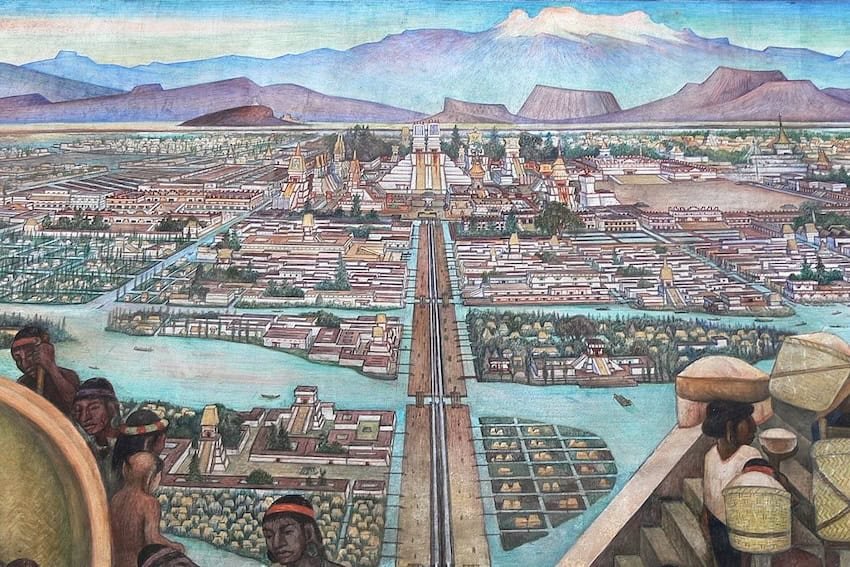
Archaeological discoveries along the Anillo Periférico ring road remind us of Mexico City’s rich heritage. These ruins are remnants of Cuicuilco, an ancient city buried by the Xitle volcano around AD 315, linking our present to a profound past. This connection to history is not limited to ruins; the Metro system also showcases archaeological treasures like the Pyramid of Ehécatl at the Pino Suárez station, dedicated to the Mexica (Aztec) god of winds. Sites such as Cuicuilco and Templo Mayor, once the heart of Tenochtitlán, reveal how our pre-Columbian legacy still resonates in our daily lives.
Even the bustling life of the capital reflects Mexica customs. For instance, grocery shopping at traditional markets is more than just a routine. It’s an experience that connects us to Mesoamerican traditions that have thrived for centuries. Tlatelolco, home to one of the largest markets, catered to Tenochtitlán’s needs back in 1337, emphasizing the social fabric that continues to bind our communities today through vibrant exchanges at present-day tianguis.
Another way to engage with our heritage is through food. In our kitchens and taquerías, the use of spices evokes the legacy of Tlatlauhqui Cihuatl Ichilzintli, the goddess of chilis. Hot peppers, integral to both cuisine and medicine, have been a staple since Mexica times. Incorporating spice into our meals reflects a deep-rooted connection to our culinary traditions that bring warmth and flavor to our dining experiences.
The use of insects such as chapulines, escamoles, and gusanos de maguey highlights an often-overlooked aspect of our gastronomical history. Before the Spaniards arrived, over 96 insect species were staples on Mexica tables, showcasing sustainability and cultural significance that continue in culinary offerings today, even at the finest restaurants in Polanco. Yet, vegetarian options like mushroom quesadillas and pumpkin flower tamales also celebrate our heritage, reminding us that ancient culinary practices are versatile.
Native corn is another essential element of our culinary identity. Tortillas, often described as both sustenance and cutlery, are irreplaceable in Mexican cuisine. With an annual consumption of about 331 kilograms per person, according to the Agriculture and Rural Development Ministry, tortillas, or “tlaxcalli” in Nahuatl, bind us together in daily meals, symbolizing not just nutrition but unity.
Traditionally, food preparation using a molcajete, a stone mortar and pestle, further nurtures our connection to Mexica roots. You’ll likely find cooks grinding fresh salsas in these beloved tools at local fondas. This age-old tradition continues to fill homes with the vibrant tastes and aromas that define our culture.
Embracing these elements of our heritage enriches our lives while fostering community ties, enabling us to celebrate a legacy that remains vibrantly alive.