

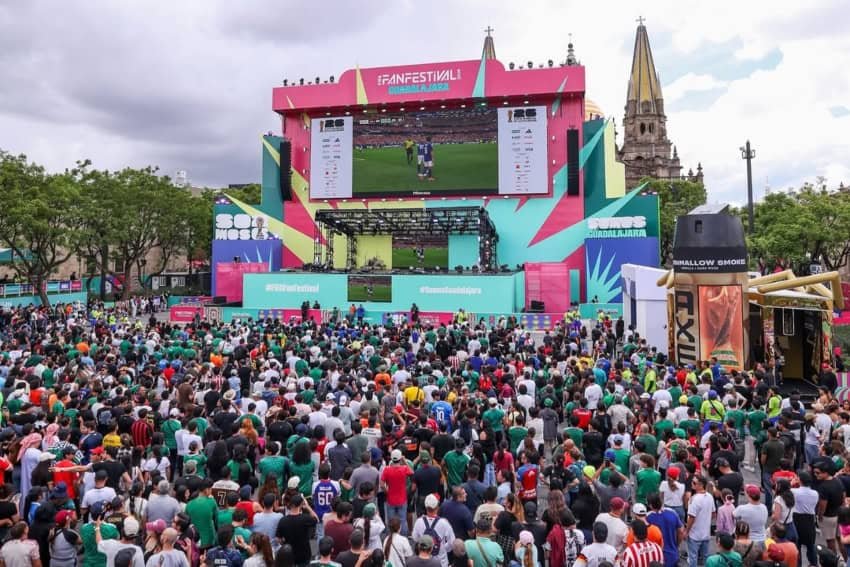
Tapatíos celebrated a thrilling victory as Mexico’s national soccer team triumphed over South Korea in Guadalajara, igniting joy in local hearts and welcoming around 2,000 South Korean visitors. This exciting encounter not only showcased cultural exchange but also brightened daily life in the city, fostering connections through shared experiences like traditional drinks and lively local events. Amid the celebrations, challenges persist, particularly for local infrastructure, as flooding issues and new initiatives to enhance public transportation also shape community discussions.
In the midst of the national excitement, locals and visitors alike enjoyed vibrant interactions filled with kindness, despite language barriers. The streets of Guadalajara transformed into a joyful mosaic of singing, dancing, and shared selfies. Many Korean fans expressed appreciation for the warmth they felt from their Mexican counterparts. Yet, these moments of joy were juxtaposed with the struggles faced by the South Korean team during their stay.
Simultaneously, researchers at the University of Guadalajara have uncovered critical insights into the recurrent flooding that affects the area during summer rains. Traditionally blamed on heavy rainfall, the study indicates that decades of unregulated urban growth are largely responsible for the problem. The researchers highlighted 670 recurring flood points in the Guadalajara Metro Area, pinning down specific high-risk zones where flooding poses significant danger to residents. Experts urge local citizens to exercise caution, especially in low-lying areas.
Moreover, the persistent inadequacy in managing flood risk highlights an urgent need for infrastructure improvements. Recent incidents, like a significant sinkhole in Zapopan, further underline the need for a proactive approach to urban planning and drainage systems, emphasizing the community’s responsibility in addressing these challenges.
On a positive note, the MiBici program has taken innovative strides by introducing electric bicycles to its existing fleet. This initiative aims to enhance public transportation options and improve accessibility for residents across the Guadalajara Metro Area, a move heralded as a significant step forward in urban mobility. With plans for distribution across numerous stations, the initiative aims to streamline connections between cycling and existing transport systems while considering affordable access for all users.
As these developments unfold, they collectively reflect the vibrant spirit of Guadalajara, where community resilience meets an eagerness to embrace improvement and connection. Just as the people cheered for their team, they equally sought solutions to enhance their city’s livability, weaving a tapestry of hope and shared purpose.