

September marks a significant and vibrant month for all Mexicans as we celebrate our independence, a moment that unites families and friends alike. On September 15, the president honors this historic moment with the “grito,” echoing the call for liberty that ignited the independence movement in 1821. The air is filled with excitement as people come together in homes to celebrate, donning sombreros, fake mustaches, and braids, clinking glasses of tequila, singing beloved songs, and sharing traditional dishes.
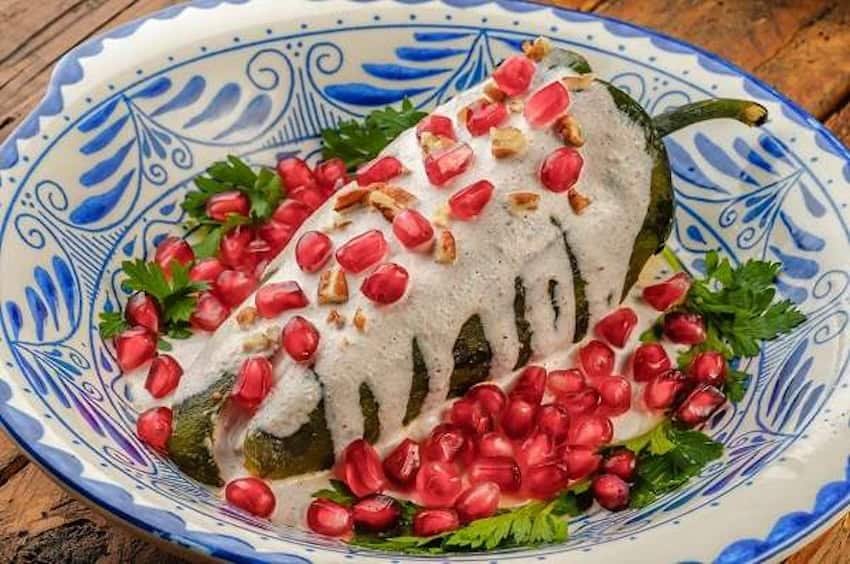
One of the most anticipated culinary creations during this time is chile en nogada, a beloved dish that encapsulates the essence of our cultural heritage. This masterpiece features a poblano pepper stuffed with a mixture of beef and sweet fruits like apple, peach, banana, and pear, all topped with a creamy walnut sauce. The combination of sweet and savory flavors makes it a favorite at gatherings and celebrations across the nation.
Tradition holds that chile en nogada first graced the table of Agustín de Iturbide, the first Emperor of independent Mexico, in 1821, served by nuns at the Convent of Santa Mónica in Puebla. This story, cherished over generations, tells us that the dish’s colors embody the new national flag. Yet, historical records challenge the authenticity of this account. While Iturbide did visit Puebla, his arrival predated the alleged creation of the dish, raising questions about its true origin and timing.
Interestingly, the components of chile en nogada trace back to ingredients that were introduced during the Spanish Conquest, such as walnuts, pomegranates, and an array of fruits. The only true native ingredient is the poblano pepper, which adds a unique touch to this iconic dish. This blend of flavors and histories sparks curiosity about why chile en nogada has become synonymous with Mexican cuisine, overshadowing other traditional recipes that might tell equally compelling stories.
Although restaurants nationwide serve their interpretations of chile en nogada, many will agree that Puebla offers some of the most authentic and delicious versions. Each family may have its own cherished recipe, often passed down through generations, underscoring the dish’s deep cultural roots. As we dive into this celebration of independence, it’s a wonderful time to connect over food, share stories, and perhaps even uncover the secrets behind our favorite recipes. Where do you find the best chile en nogada, or do you have a treasured recipe to share? Your thoughts could spark a delightful conversation this month.