

Health authorities in Yucatán have taken decisive action following the tragic death of a 34-year-old aquatic sports instructor due to the rare brain-eating amoeba, Naegleria fowleri. The state government has closed six artificial lakes after tests confirmed the presence of this amoeba, which can lead to a severe and often fatal brain infection known as primary amebic meningoencephalitis (PAM). This situation raises serious concerns for local communities and visitors, highlighting the importance of awareness and safety in recreational water use.
The investigation was triggered by the unfortunate incident that occurred last month in Mérida. Since then, health officials have been working diligently to monitor and address any further risk. Their latest statements reassure the public that, at present, this appears to be an isolated incident, with the organism contained and additional health surveillance protocols now in effect.
Testing revealed Naegleria fowleri in six of the nine lakes examined, all of which are frequented by residents and tourists alike. This amoeba thrives in stagnant freshwater, primarily in water temperatures between 35 and 46 degrees Celsius, making certain lakes particularly susceptible.
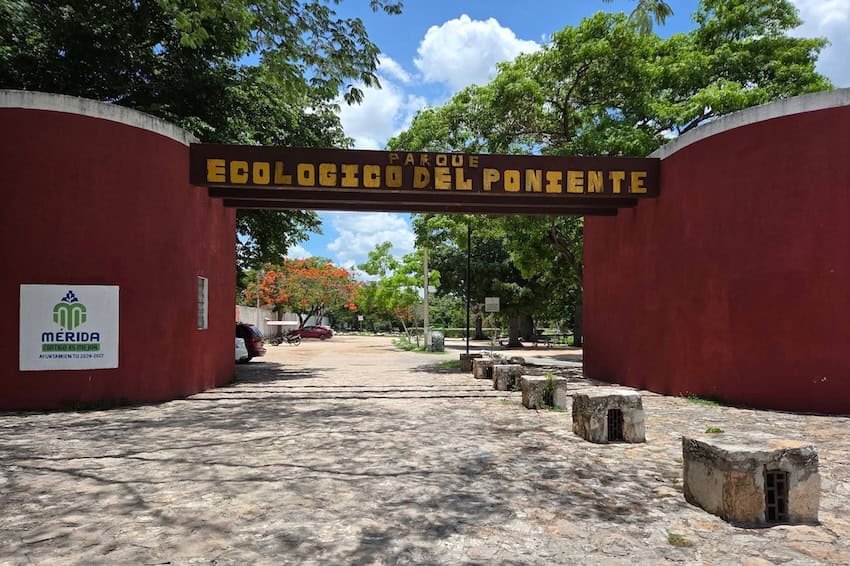
State Health Minister Alberto Alcocer has encouraged anyone who might have come into contact with water from the affected lakes—including popular spots like Plaza La Isla and the Poniente Ecological Park—to reach out to healthcare providers. He emphasized that detecting the amoeba in the environment does not imply an outbreak or that visitors are ill, but stressed the need for vigilance.
Officials have begun remediation efforts in collaboration with experts from the Autonomous University of Yucatán and the Instituto Politécnico Nacional to ensure the safety of these water bodies. Contaminated areas have been clearly marked, and strict prohibitions are in place to prevent any water contact.
Moreover, the state has launched an investigation into the management practices of the companies responsible for maintaining the lake at Plaza La Isla, where the initial case was reported. The community is urged to stay informed and follow safety guidelines while the situation is being addressed.