

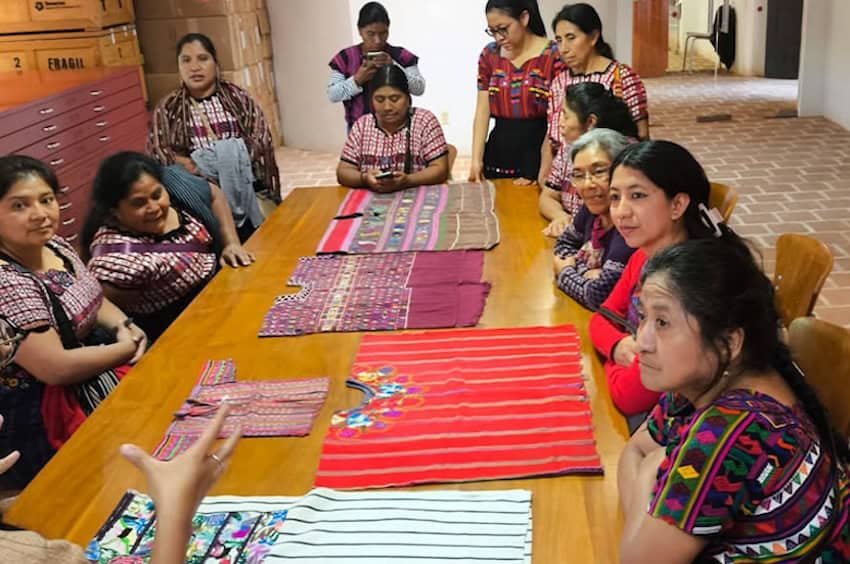
A new conservation laboratory has opened at the Maya World Textile Center in San Cristóbal de las Casas, Chiapas, aimed at preserving a 3,400-piece collection of traditional textiles. This initiative not only protects invaluable cultural artifacts but also supports the livelihoods of many artisans while providing crucial research opportunities. The laboratory is equipped to repair, clean, and safeguard these textiles from damage caused by insects and fungi, allowing specialized professionals to conduct in-depth care, which includes washing, stain removal, and reinforcing fragile areas.
This collection features a range of garments, from everyday wear to ceremonial attire, reflecting the rich heritage of Chiapas and Guatemala over the last century. Its preservation aligns with broader efforts to maintain indigenous craftsmanship and protect local designs from unauthorized use. Two apprentices fluent in the Indigenous languages of Tsotsil and Tseltal will be trained in the delicate art of textile conservation, ensuring that traditional knowledge remains alive.
The opening of this facility comes at a critical time for Indigenous communities, who are actively working to safeguard their craft traditions. For instance, artisans in San Andrés Larrainzar have documented 208 textile symbols, while efforts are underway in Oaxaca to protect traditional huarache designs following a controversy involving major fashion brands. Economic challenges persist as female textile artisans earn significantly less than their male counterparts and have limited access to social security benefits.
By enhancing the longevity of these textiles and the knowledge surrounding them, the Maya World Textile Center contributes to the preservation of cultural identity and community empowerment in Mexico.