

A recent investigation by the U.S. Food and Drug Administration (FDA) has traced a serious multistate parasite outbreak linked to cyclospora at a farm in Guanajuato supplying iceberg lettuce to a distributor in the United States. This outbreak has affected nearly 13,000 individuals across 21 states, resulting in two reported deaths. However, the investigation’s conclusion has raised questions regarding the reliability of its findings and the implications for Mexican agricultural products.
The FDA has officially concluded its inquiry, stating it could not definitively determine how the contamination occurred, despite detecting cyclospora in environmental samples from Mexico. In response, the Government of Mexico, through the Secretaría de Salud and the Federal Commission for Protection Against Health Risks (Cofepris), has firmly denied that the investigations provided conclusive evidence linking Mexican products to the cases of illness. They assert that extensive testing on raw materials and water conducted in Guanajuato returned negative results for the cyclospora parasite.
Cofepris emphasized the importance of scientific evidence in attributing blame for health risks. Although the FDA mentioned a correlation between the outbreak and the contaminated lettuce from Taylor Farms in Mexico, Mexican authorities maintain that environmental samples alone cannot serve as conclusive proof of contamination from agricultural products. This viewpoint is echoed by the FDA, which acknowledged the lack of clear evidence on how the contamination happened, stating the cyclospora’s presence was noted but did not pinpoint the source.
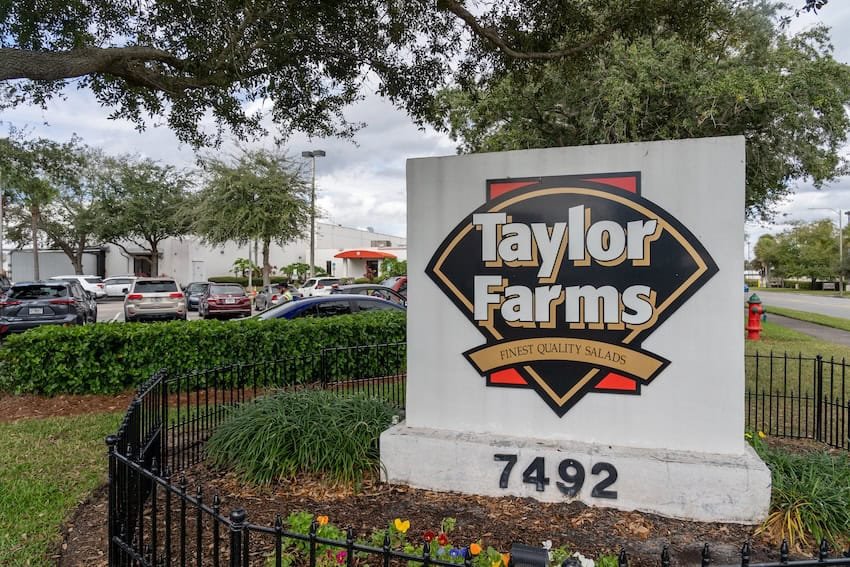
Taylor Farms has stated that the contamination likely originated from an independent grower who is no longer affiliated with their supplier program. Following an inspection of their Guanajuato facility, which was the first FDA evaluation in several years, Taylor Farms has committed to enhancing safety protocols and is currently working to improve their operations.
The situation remains complex and sensitive for both consumers and producers. The conflicting findings and the lack of clear evidence can generate uncertainty and anxiety about food safety. As the outbreak is officially over, vigilance and communication continue to be essential as authorities work to ensure the safety of food products consumed both nationally and internationally.