

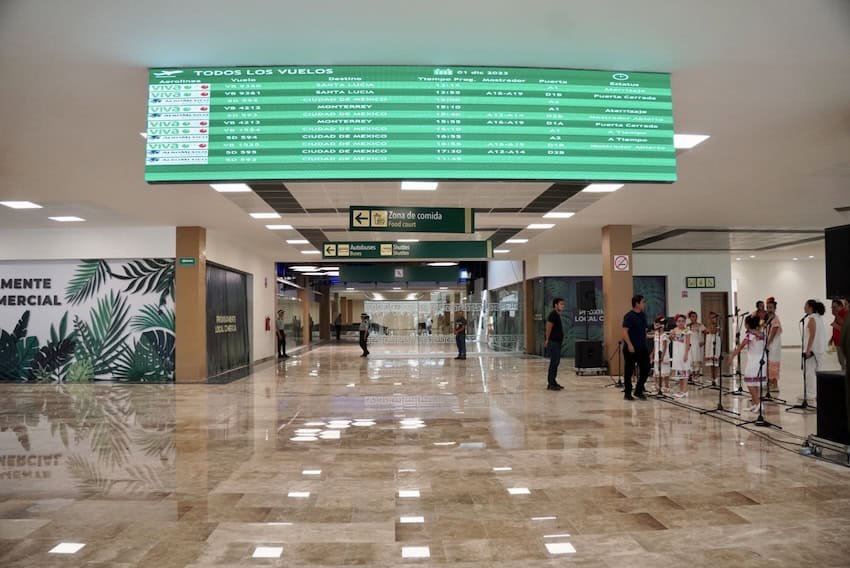
Aeroméxico, Mexico’s leading airline, has announced a temporary suspension of flights to Tulum, effective Thursday, due to an unexpected drop in demand. This development directly impacts residents and businesses in the region, as Tulum had opened its Felipe Carrillo Puerto International Airport only in December 2023, with high hopes for bolstering the local tourism industry and lessening its reliance on the distant Cancún airport.
Despite initially attracting over a million passengers under Grupo Mundo Maya’s management, Tulum’s tourism sector has faced significant challenges. Since the elimination of airline subsidies—common during the inaugural phase of new routes—several flights were canceled in the past year. Aeroméxico stated, “We are going to implement a temporary suspension due to market conditions and to maximize our route network,” indicating the complexities airlines face in maintaining service amidst fluctuating demand.
The influx of sargassum affecting Tulum’s beaches, coupled with rising costs for entry to key attractions, further discourages visitors. Recent hikes have seen entrance fees to local archaeological sites more than double, leaving residents concerned about the broader implications for tourism revenue. The current situation is alarming; the hotel occupancy rate has plummeted to just 15%, marking the lowest level in Tulum’s history.
The airport is expected to roll out seasonal flights linking Tulum to five destinations in Canada and the United States during the winter season of 2026-2027. However, flights from the U.S. are anticipated to be scarce in the coming months, despite travelers from the U.S. being the largest market for the area. United Airlines plans to introduce a biweekly direct flight from Newark to Tulum later this year, but the overall flight schedule remains limited.
With the local economy heavily dependent on tourism, the ongoing challenges are a concerning sign for residents and businesses looking for recovery. The path ahead involves careful consideration from local authorities, including the Government of Mexico and tourism stakeholders, to navigate these issues and revitalize Tulum’s once-thriving tourist economy.