

In a historical echo reverberating through the streets of Cisteil, a small town in Yucatán, the spirit of Jacinto Canek resurfaces as a symbol of resistance. After enduring years of colonial dominance, the local population, long under the thumb of Spanish authority, sought freedom and cultural reclamation. Canek, a Maya physician, emerged as a leader of a significant anti-colonial uprising in the 18th century, uniting thousands around a shared dream of self-determination and cultural revival.
Born in Campeche around 1731, Canek’s early life was marked by both academic promise and rebellious spirit. He studied key subjects like Latin and Christian doctrine, which inspired his unique fusion of Maya and Christian identities. After being expelled from his studies for his defiant stance, he became steeped in traditional Maya medicine, gaining respect within his community. His profound knowledge of both cultures positioned him as a beacon of hope amid oppression.
Following a rebellion in 1761, Canek adopted the name Jacinto Uc de los Santos Canek Chichán Moctezuma, invoking elements sacred to both Maya and Christian traditions. This syncretic identity allowed him to resonate deeply with the people, who saw him as a figure bridging two worlds. His leadership was characterized by a call to revitalize and reclaim the essence of the Yucatán Maya culture after centuries of colonial rule.
The rebellion Canek led was unprecedented in Mexico’s colonial history, emphasizing the deep-seated desire for autonomy among Indigenous communities. It was marked by efforts to restore cultural practices and beliefs, with resistance rooted in the cyclical understanding of time held by the Maya. The movement inspired a renewed hope that colonial rule might soon end, and brought together a diverse group of supporters who viewed Canek as the embodiment of their aspirations.
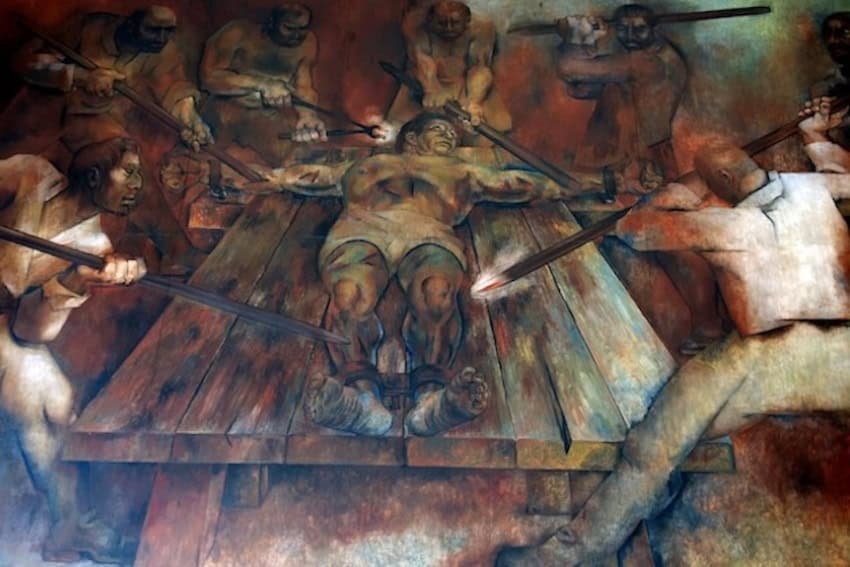
However, the rebellion faced swift and brutal repression. Yucatán’s governor quickly moved to quash Canek’s uprising, resulting in his capture and a grim fate in Mérida. On December 14, 1761, he was executed in a brutal manner intended to send a strong message against dissent. His death marked the suppression of the movement, though the underlying desire for sovereignty remained alive among the Maya.
The official narrative framed the uprising as insignificant, but in the hearts of many, it was a noble stand against colonial exploitation. Jacinto Canek’s legacy endures, remembered as a key figure in Yucatán’s history and a source of inspiration for the Maya community. His spirit continues to symbolize resilience and the enduring quest for cultural identity amidst ongoing challenges. As Mexico reflects on its history, the story of Canek serves as both a reminder of past struggles and a beacon for future generations seeking justice and recognition.
In a nation increasingly aware of the importance of inclusivity and respect for cultural heritage, Jacinto Canek remains a powerful figure, honored not only for his leadership in a pivotal moment of history but also for embodying the fight for dignity and rights that still resonates today.