

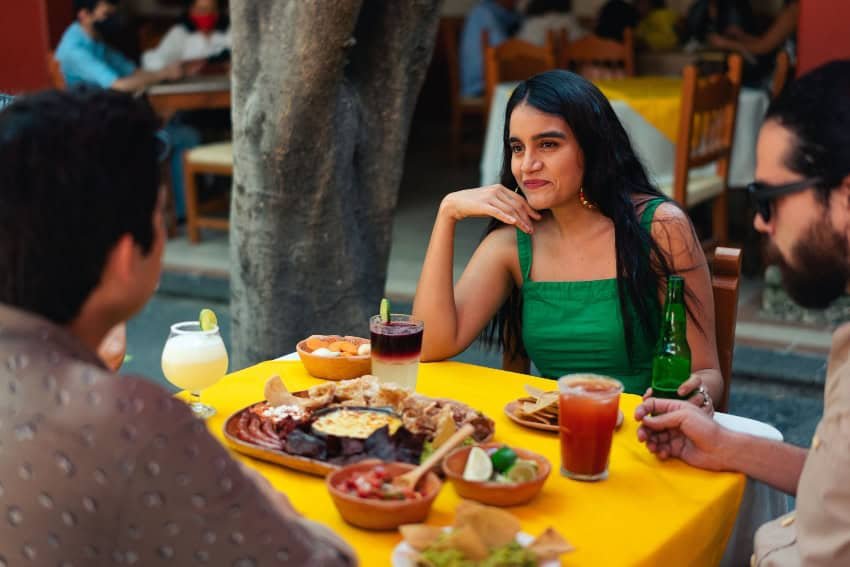
In a celebration of cultural identity, the art of nicknaming in Mexico is more than just a casual practice; it’s a warm reflection of community and belonging. Mexicans frequently use nicknames to connect with one another, crafting affectionate or playful versions of their given names. This custom not only fosters camaraderie but impacts daily interactions, making conversations more intimate and friendly. For instance, names like Guillermo transform into the familiar Memo, reflecting a unique social fabric that prioritizes closeness and shared experiences.
A rich variety of nicknames emerges in this vibrant culture. While some names are shortened, others reflect personality traits or humor, such as nicknames for loved ones like “Chava” for Salvador or playful alternatives like “Mona,” which conveys beauty and charm. The affectionate diminutives—“-ito” and “-ita”—add another layer, allowing an expression of warmth, even if some may find them infantilizing.
Interestingly, the trend continues with younger generations who often claim their own nicknames that convey either endearment or catchy references, such as “Plana” for those named Lisa. Even in school, where affectionate nicknames abound, this practice reinforces the link to shared identities among friends, highlighting a natural joy in connection.
While some may ponder the appropriateness of certain nicknames, many Mexicans embrace their assigned titles, viewing them as reflections of love and humor rather than insults. For example, amusing nicknames like “El Frijol” or “El bello camello” illustrate a light-heartedness that permeates social interactions. Such examples demonstrate a cultural tendency to utilize humor in relationships, showcasing resilience in the face of potential discomfort.
As societal norms evolve, it’s essential to understand that the essence of nicknaming reflects a profound cultural heritage. It signifies not just a sense of humor, but a vital connection amongst people. In spaces where inclusivity thrives, the practice of nicknaming can bring individuals together, transcending barriers, and nurturing bonds within communities throughout Mexico. Embracing your nickname can feel like being part of something greater, reinforcing the sentiment that, even in playful teasing, there lies a deep connection to the shared human experience.