

In the heart of Mexico’s historical narrative lies the memoir of Grant Shepherd, published in 1938, which offers an intimate glimpse into life in Batopilas, a town defined by its silver mines during a transformative period in the nation’s history. This book not only encapsulates the richness of a thriving mining community but also highlights the challenges faced by its residents, providing valuable insights for contemporary citizens about their cultural heritage and economic legacy.
Shepherd’s work has been recognized for its historical significance and is available through the Humanities E-Book project, allowing it to reach a broader audience. Despite its informal style, it serves as a window into the experiences of a man who spent six decades in a remote part of Mexico, illustrating both the joys and hardships of life in such an isolated environment.
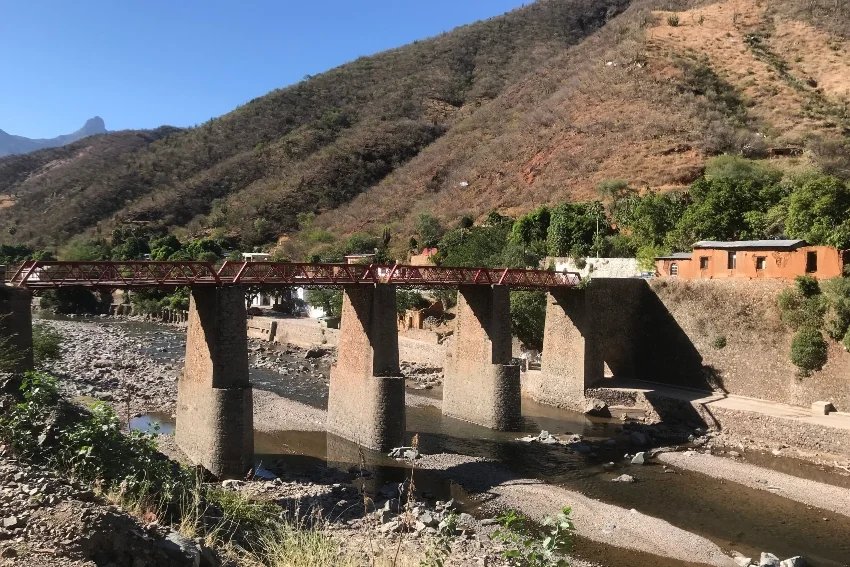
For those fascinated by Mexico’s mining history, Shepherd recounts numerous anecdotes, including how a family managed to transport an upright piano down treacherous canyon trails. The journey to Batopilas, known as “river in a box” in the local Rarámuri language, involved arduous travel by wagon and mule over 500 kilometers through some of the steepest terrain.
In this relato, he shares the ingenuity of locals in addressing logistical hurdles, reflecting a profound connection to the land and community. Of particular note is the creativity displayed in transporting the piano, a task accomplished with cleverness and teamwork, showcasing the spirit and resourcefulness of the people.
Residents often faced economic hardships, revealing their creative ways to augment their income. Shedding light on miners’ struggles, Shepherd shares how workers sometimes resorted to taking minute particles of silver home — a subtle nod to the lengths people went to improve their lives, even at great personal risk.
Shepherd’s descriptions of early electric power in Batopilas reveal the blend of progress and human error characteristic of a growing nation. His anecdotes, alike the story of a worker’s mishap with the new electric lights, remind us of shared human experiences that transcend time.
He also captures the everyday lives of women, who, with remarkable modesty, navigated river baths under sheets, emphasizing cultural practices that highlight the dignity and respect inherent in their rituals.
While the memoir touches on various topics, such as local folklore and prominent figures of the time, it also omits critical issues like silicosis, which affected countless miners. This gap serves to remind us of the unsung struggles behind the stories of prosperity.
The memoir culminates with a poignant moment, as Shepherd reflects on the communal effort to carry his father’s body through rugged terrain — a testament to the bonds formed in life and death within this tight-knit community.
“The Silver Magnet” remains a significant piece of literature, accessible to those eager to understand Mexico’s rich tapestry of history and culture. Its presence in local bookstores might just spark new conversations about legacy, resilience, and the enduring spirit of those who have carved a life in Mexico’s mountains.