

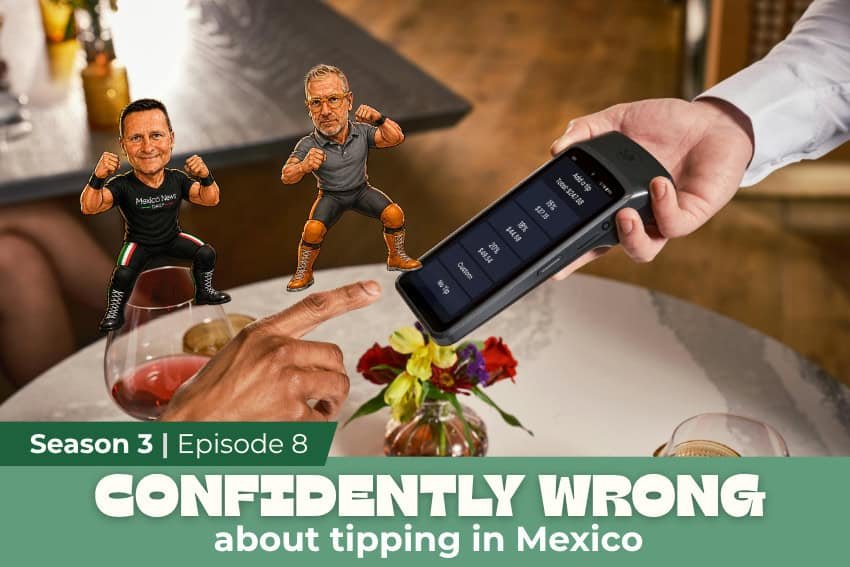
In recent years, the act of tipping has transformed significantly in Mexico, reflecting broader societal changes and new expectations. As the country emerges from the COVID-19 pandemic, many are becoming more aware of the conditions faced by service workers. This shift has prompted a rise in suggested tipping, with many now opting to increase their standard tip from 10% to 15%, influenced by both evolving social norms and the presence of tourists seeking to show appreciation for services rendered.
The influx of foreign visitors has added another layer of complexity to tipping practices. While some locals are adapting to these changes, there is concern among others about feeling pressured to tip more, sometimes leading to perceptions of uneven service quality. This situation can create discomfort for both locals and tourists, as individuals navigate the expectations around tipping.
Debate continues about the motivations behind higher tips. Some argue that tipping should be a personal choice, reflecting one’s financial capacity and desire to show gratitude, while others emphasize the importance of adhering to local customs as a gesture of respect for the culture and its service workers. It raises essential questions about what is considered standard in various situations and which service sectors should be included in this discussion.
As the landscape of tipping evolves, the need for clear guidance and understanding becomes increasingly important for everyone in Mexico.