

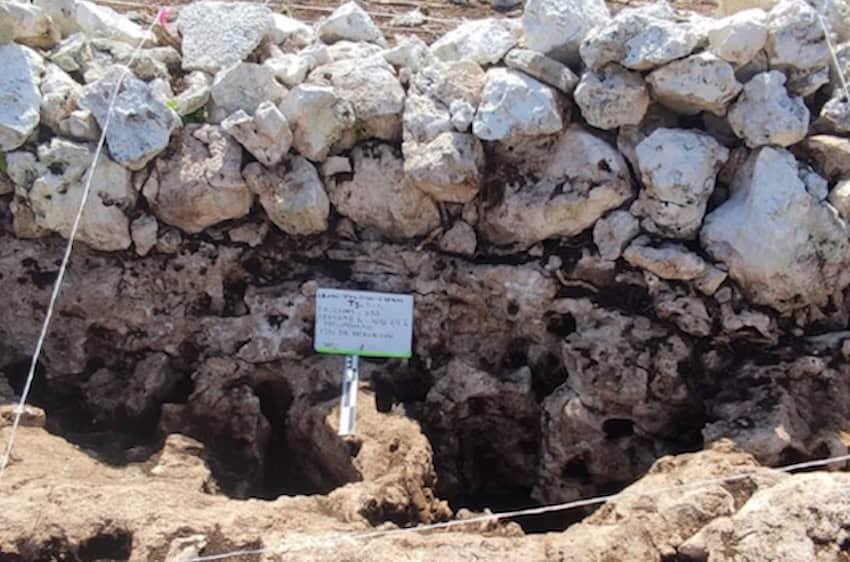
Archaeologists have made a remarkable discovery along the route of the Maya Train, unearthing an ancient bee house that offers valuable insights into the daily lives of the Maya people. This finding, located near Aktun Chen Natural Park and approximately 16 kilometers north of Tulum, provides a glimpse into how households cultivated honey between 500 and 800 years ago. The National Institute of Anthropology and History (INAH) reported that the site was excavated in 2022, revealing a structure believed to have housed stingless bees, a vital resource for the Maya community.
The apiary likely supported the Melipona beecheii species, known for producing melipona honey, which remains a cherished ingredient in traditional remedies and local cuisine throughout southeastern Mexico. This discovery not only highlights the importance of beekeeping in Maya culture but also sheds light on how these ancient households integrated bee farming into their agricultural routines.
The limestone and coral structure spans 19.5 meters in length and is thought to represent a ná’ajil kab, or bee house, consisting of hollow logs, referred to as jobones, used to nurture these unique bees. Archaeologist Luis Ernesto Narváez Mac noted that the site likely dates back to the Late Postclassic period, around 1200 to 1521, although further analysis will confirm its exact timeline.
Alongside the bee house, excavators found 40 limestone and coral discs, which probably functioned as lids for the hive logs. They also unearthed stone tools, pottery fragments, and other objects, suggesting a diverse range of daily activities occurring within the household complex, potentially including a shrine and storage areas.
While this discovery opens a window into ancient Maya life, it also raises concerns for modern-day Melipona bee populations, which face threats from deforestation and pesticide use. The decline in traditional beekeeping practices is worrying, emphasizing the need for renewed interest and support in preserving this cultural heritage. As we reflect on this significant archaeological find, it serves as a reminder of our interconnected history and the importance of caring for our natural and cultural resources.