

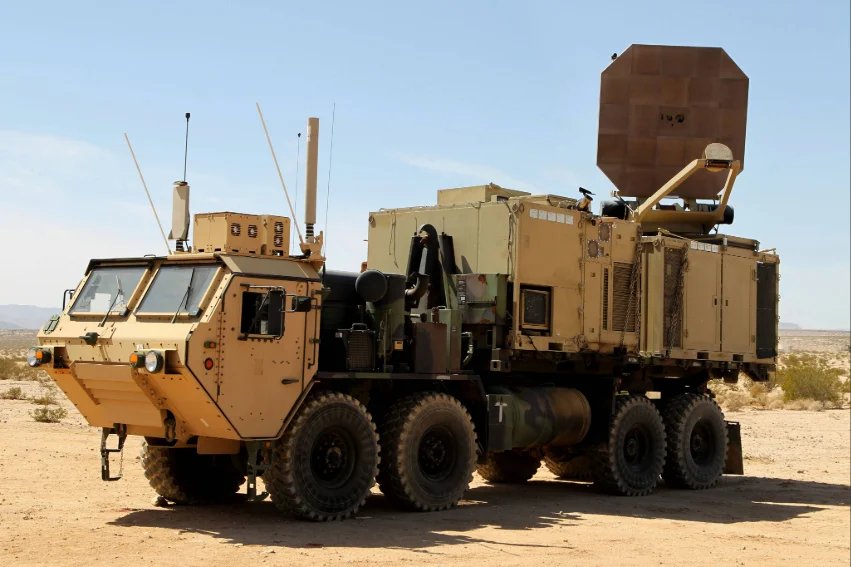
Recent developments at the U.S.-Mexico border have drawn attention as the Pentagon has authorized the Department of Homeland Security (DHS) to test a military-grade device known as the Active Denial System (ADS). This non-lethal weapon is designed to emit an invisible beam that creates an intense burning sensation on contact, with implications for both safety and ethics. While interactions with migrants have reached a 55-year low, this decision raises concerns about the potential for harm and the ethical ramifications of using such technology at the border.
The ADS can project its effects up to half a mile, which could inadvertently affect individuals not attempting to cross the border. This broad range has led to documented cases of second-degree burns, raising significant ethical questions about its deployment. Military officials describe the device as causing a “tingling effect” that compels individuals to flee from the area, prompting discussions about the treatment of migrants and the nature of border security.
Despite a notable decrease in migrant encounters, the Customs and Border Protection (CBP) agency is considering deploying this technology in regions with higher instances of unauthorized crossings. Previously, there were attempts to integrate the ADS during the Trump administration, but those efforts were halted due to concerns over its implications. As the border evolves into a site for testing these advanced systems, the safety of local communities and ethical considerations must remain at the forefront of this discussion.
With the complexities surrounding border security, it is essential for citizens to stay informed about developments that directly impact their lives and the broader community dynamics.