

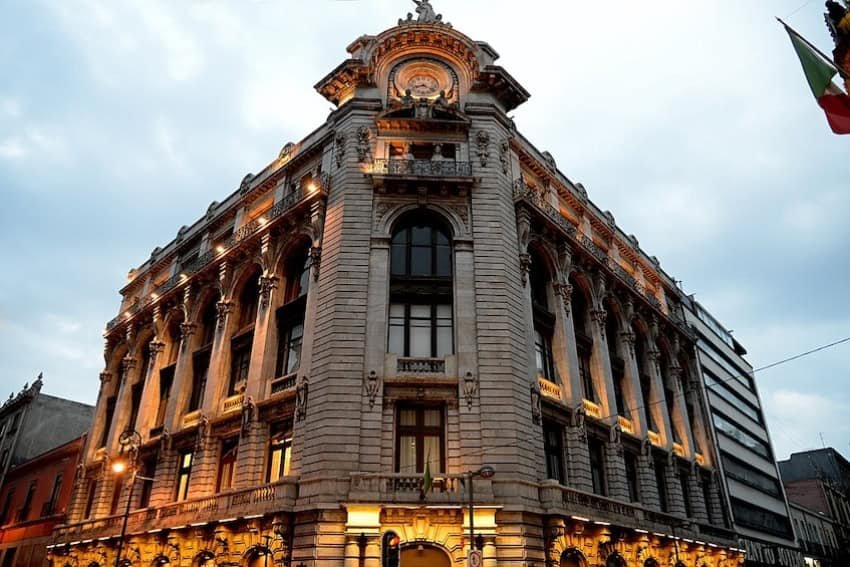
Porfirio Díaz, a key figure in Mexico’s history, significantly impacted the nation from 1876 to 1911, a period now referred to as the Porfiriato. Although he initially championed democratic ideals with his slogan “effective suffrage, no reelection,” he ultimately established an authoritarian rule that influenced the daily lives of Mexicans in both challenging and transformative ways. His regime is marked by a deep-seated admiration for European culture, particularly that of France, which permeated numerous facets of Mexican life, including architecture.
Mexico City’s streets offer a glimpse into this era through the stunning Porfirian architecture that still stands today. Majestic buildings designed in eclectic styles reflect a pursuit of modernity and a desire to project an image of prosperity. For many residents, these structures symbolize both historical grandeur and the complexities of a past that still resonates in contemporary life.
One remarkable example is the Palacio de Bellas Artes. Originally envisioned to celebrate Mexican independence, its construction spanned three decades, intertwining architectural styles such as French Art Nouveau and neoclassical elements. Today, it serves as a cultural centerpiece, hosting renowned performances and exhibitions that enrich the lives of countless visitors and locals alike.
Nearby, the Palacio de Correos exemplifies the grandeur of this architectural movement. This Postal Palace not only facilitated communication long before the digital age but continues to connect people through the beauty of its design. With its intricate details and rich history, it invites citizens to appreciate the artistic legacy left by their predecessors.
Casa Boker, another testament to the Porfirian legacy, stands as a working hardware store since the late 19th century. Its façade aligns with Díaz’s vision for urban development, marrying function and beauty. This blend of history and utility reminds the people of Mexico City that their everyday spaces are steeped in rich narratives.
The Museo Nacional de Arte, once the Ministry of Communications and Public Works, holds treasures from the Porfirian era. Its ornate details, crafted by European artisans, highlight a period of cultural exchange that continues to influence the city’s artistic landscape today.
These architectural marvels are not just historical remnants; they are part of the vibrant tapestry of Mexico City, shaping community identity and fostering local pride. As citizens walk through their city, they carry with them the stories of the past, inspiring a collective appreciation for the beauty and complexity that define their shared heritage.