

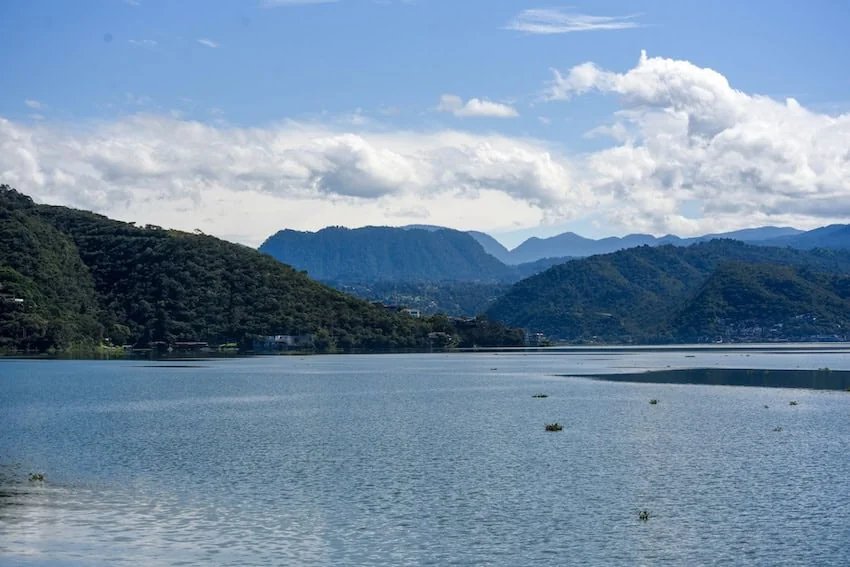
The Cutzamala System, a vital source of drinking water for the Valley of Mexico, has reached one of its highest storage levels in the past decade, thanks to recent seasonal rainfall. This improvement means that approximately one in five liters of drinking water for residents is now more secure, bringing hope to families relying on this essential resource. According to the latest report from the National Water Commission (Conagua), the system’s storage has hit 750.286 million cubic meters, which is 95.88% of its capacity. This marks a significant increase from last month when it stood at 749.336 million cubic meters and 95.76% of capacity. The three reservoirs that constitute the system — Villa Victoria, Valle de Bravo, and El Bosque — are nearing full capacity, with Valle de Bravo at 99.14%.
Comparing this to the alarming water crisis in 2024, when the system’s reserves plummeted to merely 26%, the current state shows a promising trajectory. However, it is important to remain cautious. Recent reports indicate that despite the current recovery, illegal activities and pollution threaten the water supply. In Valle de Bravo, over 27 unauthorized dams and clandestine wells have been documented, which disrupt the natural water cycle. Furthermore, rising numbers of illegal water bodies, constructed primarily for ornamental purposes, pose additional risks.
Additionally, on the Michoacán side of the Cutzamala River sub-basin, numerous clandestine extraction points have been identified, heavily utilized for irrigation, particularly in the avocado and guava fields. This unsanctioned water extraction further stresses the already fragile ecosystem. The situation is compounded by pollution in the Valle de Bravo reservoir, where untreated wastewater discharge raises serious concerns about water quality.
It is essential for citizens to stay informed about these developments, as the health and accessibility of our water resources directly impact daily life across the Valley of Mexico.