

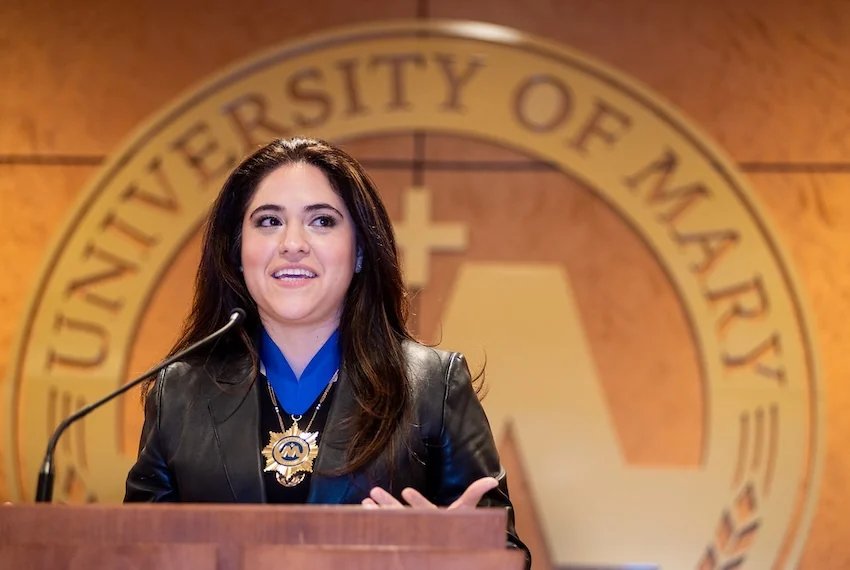
In a historic move, María Montserrat Alvarado, a 39-year-old woman with roots in Mexico City and an upbringing in the United States, has been appointed as the Vatican’s new communications chief. This marks the first time a laywoman has led a ministry-level department within the church’s central administration, a role that holds significant implications for the Catholic community both locally and globally.
Alvarado’s appointment, effective immediately, follows her previous position as president and chief operating officer of EWTN News, America’s largest Catholic television network. She takes over from Italian journalist Paolo Ruffini, managing a vast array of communications platforms including Vatican News, Vatican Radio, and the Holy See Press Office. This leadership change is seen as a positive development within the church amidst ongoing discussions about modernizing its communication strategies.
Born in Mexico City, Alvarado moved to the United States with her family at a young age. Her educational journey took her from Florida International University, where she earned a degree in political science, to George Washington University for further studies in political management. With a robust career background that includes advocacy for religious freedom at the Becket Fund, Alvarado brings substantial experience and a fresh perspective to her new role.
Her approach to leadership is one of collaboration and understanding, stating that she intends to execute the vision of Pope Leo XIV rather than impose her own. This shift comes at a time when tensions within the church surrounding media representation have been prevalent, particularly with conservative networks. However, reports suggest that Alvarado’s leadership is already fostering a more harmonious environment.
The significance of her role extends beyond the Vatican. It inspires many in Mexico and the wider Catholic community to see representation and capability reflected in leadership positions. Alvarado joins the ranks of notable figures within the Vatican, though her distinction as a laywoman brings unique perspectives that could influence how the church communicates its message in the modern world. Her journey reminds us of the diverse paths individuals can take to reach influential roles, bridging gaps between tradition and contemporary communication.