

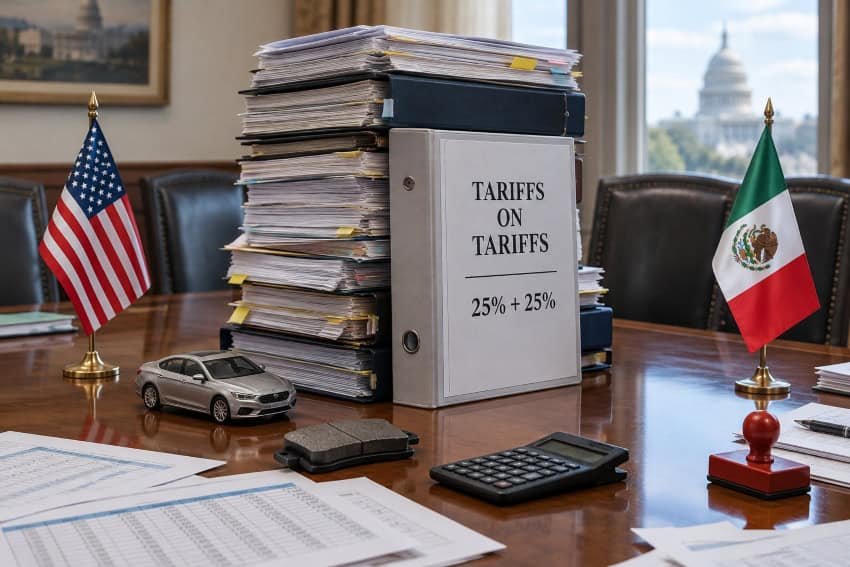
Bilateral trade discussions between the United States and Mexico have reached a significant impasse that could impact daily life for many across the country. U.S. Commerce Secretary Howard Lutnick recently proposed a complex new framework that includes a 25% duty on existing tariffs, which may strain the economic relationship and raise costs for consumers and businesses alike.
Sources involved in the negotiations explained that U.S. officials miscommunicated terms related to tariff reductions. Instead of easing tariffs, they suggested a heightened structure that complicates imports of vehicles and materials from Mexico, adding layers of fees and duties that could further inflate prices. For instance, a Mexican-assembled car crossing into the U.S. would face not only a baseline auto tariff but also additional charges related to border infrastructure and administrative costs.
As negotiations continued, Mexican delegates struggled to ascertain the cumulative tax implications of these new structures. In a revealing moment, they calculated that new duties on a simple brake pad could exceed the value of the entire vehicle, highlighting the potentially overwhelming economic burden. In response, Mexico offered to suspend some of its tariffs on automotive parts but encountered further complications, including additional levies that deter meaningful concessions.
Despite these hurdles, both governments have publicly downplayed the severity of the breakdown. Mexican Foreign Minister Marcelo Ebrard expressed optimism, asserting that Mexico remains equipped to navigate this intricate trade landscape. He emphasized the importance of understanding and outlining the nature of the disagreements, suggesting a commitment to eventually resume dialogue.
The atmosphere surrounding these negotiations remains complex, and as discussions unfold, citizens are urged to stay informed about how these potential changes could affect economic stability and consumer prices in Mexico. The outcome of this standoff not only shapes the trade relationship but also directly correlates with the livelihoods of many families who rely on affordable goods in their daily lives.