

Recently, the U.S. Department of the Treasury’s Office of Foreign Assets Control (OFAC) announced sanctions against 25 entities and 21 individuals in Mexico, citing connections to the notorious Sinaloa Cartel. This development is significant as it signifies ongoing efforts to combat organized crime and its influence within various sectors, directly impacting citizens who rely on these businesses for everyday services.
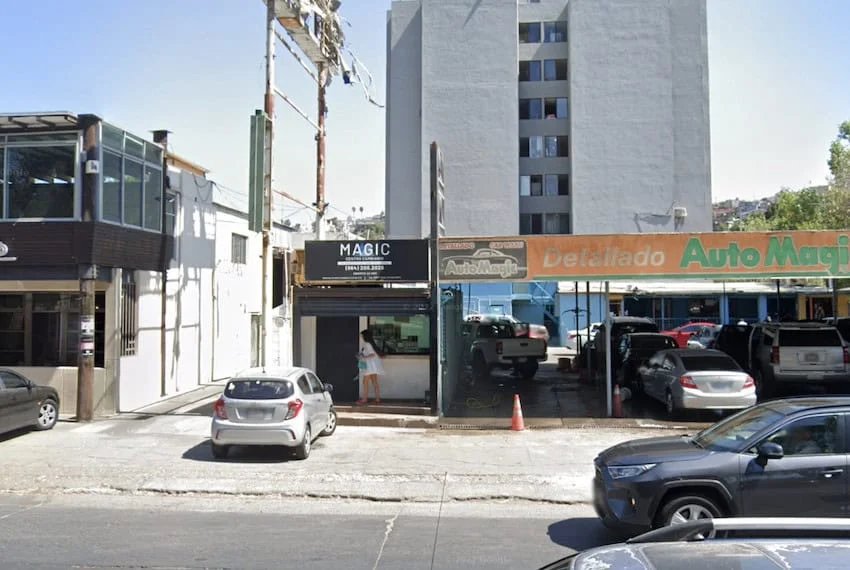
Among those sanctioned are several establishments in Baja California, including currency exchange services, gas stations, and popular restaurants, all reportedly involved in laundering money. This action signifies a robust attempt to disrupt the financial networks that support illicit activities and their spillover effects on local communities. Notably, prominent figures such as Ismael Zambada Sicairos (known as ‘Mayito Flaco’) and Carlos Alberto Torres Torres, the ex-husband of Baja California Governor Marina del Pilar Ávila, are included in the sanctions.
The U.S. Treasury stated that these sanctions aim to block any property and assets owned by the designated individuals or entities within U.S. jurisdiction. This comprehensive effort intends to undermine the cartel’s operational capabilities, which often extend close to the U.S.-Mexico border, raising concerns among citizens regarding safety and governance.
The sanctions come amid a broader campaign against cartels initiated during the prior U.S. administration, which labeled the Sinaloa Cartel and others as foreign terrorist organizations. The implications of these sanctions are far-reaching, affecting not just the designated individuals but also the daily operations of businesses tied to or dependent on these entities’ activities.
With the fallout from these measures, communities may feel the direct impact as businesses could face disruptions or changes in their operations. Those in the affected areas, especially in Baja California, may experience shifts in service availability, potentially leading to economic ramifications and changes in public safety as law enforcement continues its crackdown on illicit activities fueled by cartel influence.
The response from local authorities is yet to be fully articulated, but as the situation evolves, citizens are encouraged to remain vigilant and informed about developments that directly affect their lives and communities.