

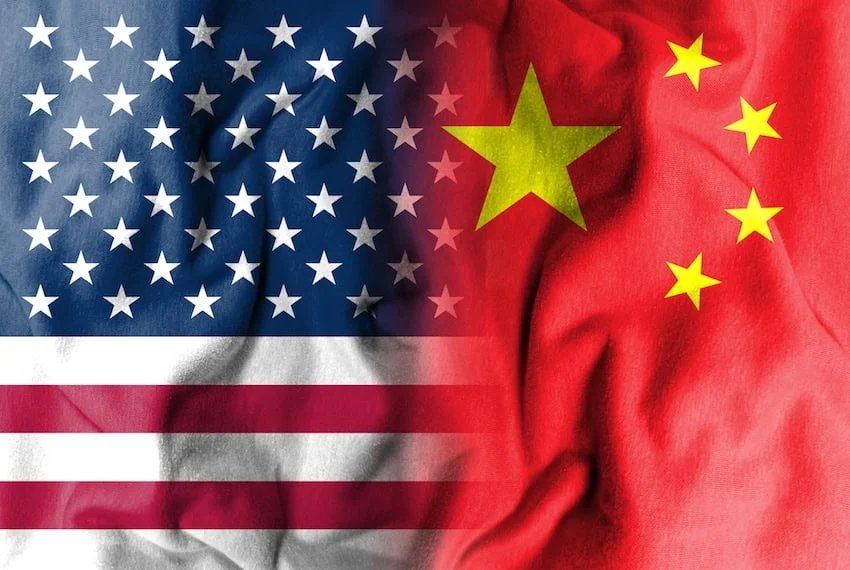
A recent survey shows that many Mexicans have a more favorable view of China and its President Xi Jinping compared to the United States and former President Donald Trump. This change in perception, highlighted by Pew Research Center’s Spring 2026 Global Attitudes Survey, has the potential to influence Mexico’s international relations and economic landscape.
Conducted between February 20 and April 10, the survey engaged 1,017 Mexican adults and pointed out that 59% of respondents held a favorable view of China. In contrast, only 40% expressed a positive opinion of the United States. Interestingly, the gap is significant, with a 19 percentage point difference favoring China. This sentiment reflects a desire for a more balanced diplomatic approach, especially as Mexico navigates trade relationships with both nations.
The survey also explored confidence in global leadership, revealing that only 1% of Mexicans have high confidence in Trump compared to 36% for Xi. These figures suggest a growing distrust towards U.S. leadership amidst ongoing tensions, which include trade disputes and immigration policies that have strained relations. Notably, perceptions of the U.S. government’s respect for individual freedoms have plummeted to an all-time low in Mexico.
This shift comes amid rising economic ties between Mexico and China. Currently, China ranks as Mexico’s second-largest trading partner. Recent tariffs imposed by the Mexican government on Chinese exports have added another layer of complexity to this relationship, highlighting the balancing act that Mexico faces in its foreign policy.
Younger Mexicans, particularly those aged 18-34, show even more favorable views toward China at a rate of 70%, suggesting that future generations may increasingly align with a more favorable stance on this East Asian giant. This demographic shift in opinion could reshape the socio-economic fabric in Mexico, affecting everything from trade agreements to cultural exchanges.
As Mexico continues to refine its global strategy, the rising favorability of China and the decline in regard for the United States underscore an evolving national identity. Citizens will need to stay informed as these international dynamics impact their everyday lives, particularly in areas such as trade, travel, and cultural interchange.