

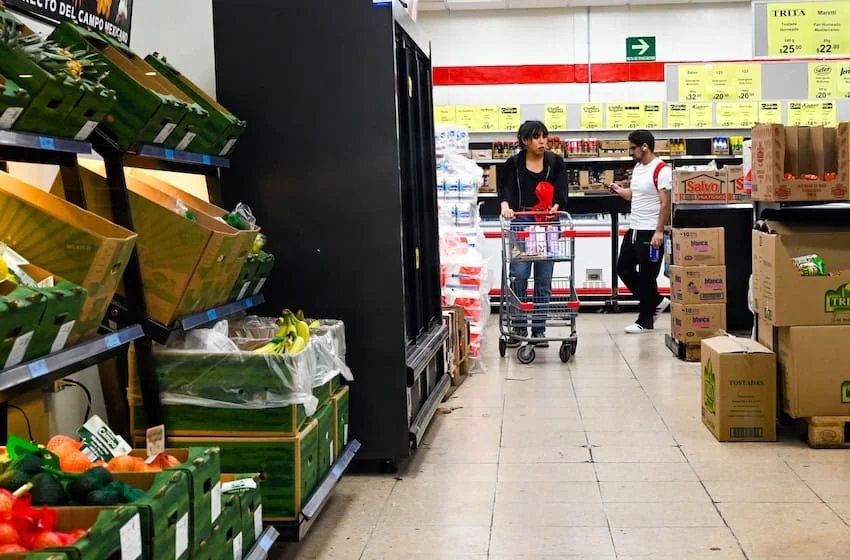
In October, inflation in Mexico showed signs of continuing upward pressure, with consumer prices unexpectedly rising, heavily influenced by a 35.58% increase in green tomato prices. This surge, part of a broader trend over three consecutive months, translates into tangible impacts on daily life for many families, as food costs remain a significant concern. The national statistics agency, INEGI, reported that the annual inflation rate hit 3.75%, an increase from 3.57% in October last year, further straining household budgets.
Notably, core inflation, which excludes the often-volatile food and energy sectors, also saw an increase, rising to 3.80% year-on-year. The monthly changes reveal that the cost of essential goods and services is climbing, with services seeing a 0.44% rise, further complicating financial planning for many. Consumers are feeling the effects as the prices of fruits and vegetables surged by 2.35% last month, with energy costs rising due to the conclusion of summer electricity price subsidies affecting 18 cities across the country.
While some food prices have risen steeply, others have seen declines. For instance, avocados became 7.2% less expensive, even amid recent pest issues affecting local farms. This mix of rising and falling prices highlights the complexity of the current economic landscape that affects what families can afford during their weekly grocery shopping.
Following this inflation update, the Bank of Mexico recently lowered its benchmark interest rate by 25 basis points to 6.25%. This decision comes amid concerns that moving too quickly to stimulate the economy might be premature, as inflation has not yet reached the bank’s target of 3%. The bank suggests maintaining the current rate could help steer inflation back to this goal while acknowledging ongoing risks that may disrupt this path.
Despite the challenges, some economic indicators are more positive; economic activity is on the rebound, with the GDP growing 3.2% year-on-year in the third quarter. However, the central bank warns that the economy may still not be reaching its full potential, suggesting that sustained growth might complicate current efforts to control inflation. As this situation continues to evolve, Mexican households will face ongoing challenges concerning their financial stability and everyday living costs.