

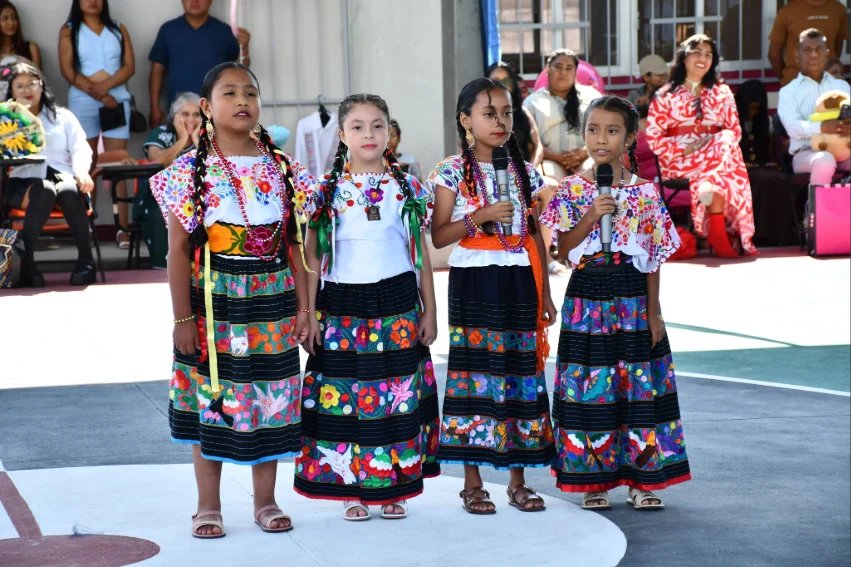
Mexico’s rich biodiversity and cultural heritage deeply resonate with its citizens, reflecting a nation where over 10% of the world’s known species thrive in just 1.5% of the planet’s surface. This diversity is paralleled by the linguistic tapestry woven by 68 surviving Indigenous languages, showcasing the vibrant histories and identities within our communities. As revealed by the 2025 Intercensal Survey from the National Institute of Statistics and Geography (INEGI), approximately 7.42 million people in Mexico speak Indigenous languages, representing 5.9% of the population aged three and over. This figure underscores the importance of preserving and celebrating these languages, which are integral to our cultural identity. Among the most prominent languages, Náhuatl leads with 1.6 million speakers, followed by Yucatec Maya and Tzeltal, highlighting regional concentrations in states like Chiapas, Oaxaca, and the Yucatán Peninsula. Chiapas and Oaxaca stand out, with nearly 30% of their residents communicating in Indigenous tongues, while Yucatán closely follows with over 21%. It’s a reminder that despite living in a rapidly modernizing world, these languages connect us to our ancestors and traditions. The survey also reports that over 24.2 million people identify as Indigenous, accounting for nearly 18.6% of our total population. This profound connection to heritage amplifies the voices and stories that have shaped our nation. Understanding these dynamics enriches our appreciation of Mexico’s heritage and the necessity to foster an inclusive environment where every language and culture is valued. As fellow citizens, recognizing the significance of our diverse backgrounds strengthens our unity and collective identity.
Indigenous Languages in Mexico: A Guide by State for Families
Compartir Este Artículo