

On September 17, federal authorities heralded what they characterized as the largest seizure of stolen fuel in Mexico’s history. This announcement garnered significant public attention, yet it swiftly unraveled when it was revealed that the storage facility involved, located in San José Iturbide, Guanajuato, had documentation supporting its legitimacy. Almost immediately, the Federal Attorney General’s Office (FGR) began reassessing the situation, acknowledging the legal status of the facility.
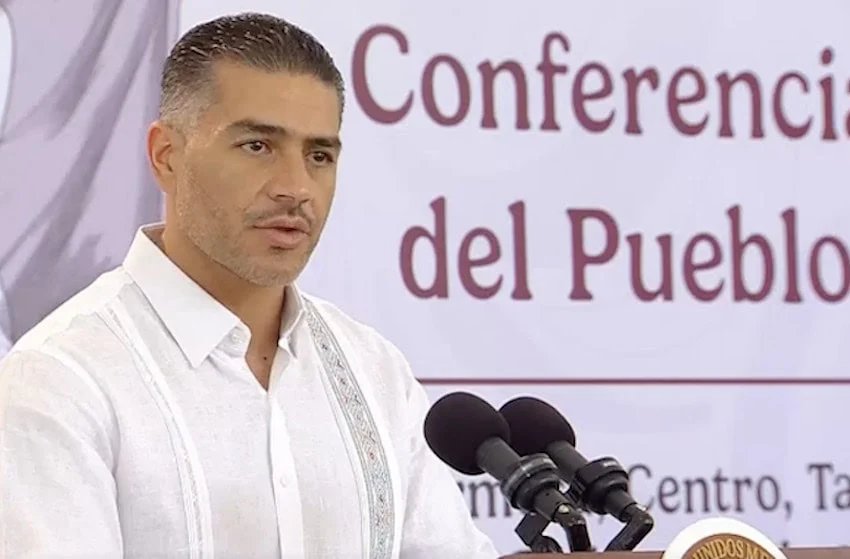
In a subsequent confirmation, Security Minister Omar García Harfuch announced the dismissal of the federal prosecutor in charge of the operation, amid concerns regarding the integrity of the raid. The FGR is now focused on verifying the legality of the nearly 59 million liters of fuel stored at the site, as Grupo SIMSA, the facility’s owner, asserted its operations are fully compliant with state, local, and federal regulations.
Initially, the FGR referred to the situation as a seizure but later shifted the classification to an embargo, indicating further investigation into the origins of the fuel. In response to the unfolding events, members of the governing Morena party in San José Iturbide have pointed fingers at previous administrations for allegedly enabling questionable permits.
As investigations continue, the FGR is meticulously reviewing documents from multiple companies associated with the fuel, including major players such as ExxonMobil, Marathon, and Shell. This scrutiny follows a series of lapses that sparked the investigation. It began when local authorities discovered discrepancies during a routine check of a truck unloading fuel at a gas station, leading them to the storage facility.
Curiously, the facility was closed for a week but was reopened just days before the massive seizure was announced. In addressing the matter, President Claudia Sheinbaum indicated that the investigation is ongoing, though she did not clarify that the situation had shifted from a confiscation.
Adding to the confusion, it was disclosed that an initial warrant was mistakenly issued for the wrong company, contributing to procedural errors. As accountability measures continue, the FGR delegate in Guanajuato has been dismissed and may face prosecution, and investigations have expanded to include other local officials. This incident highlights the complexities faced by federal institutions as they navigate the challenges of fuel regulation and enforcement in Mexico.