

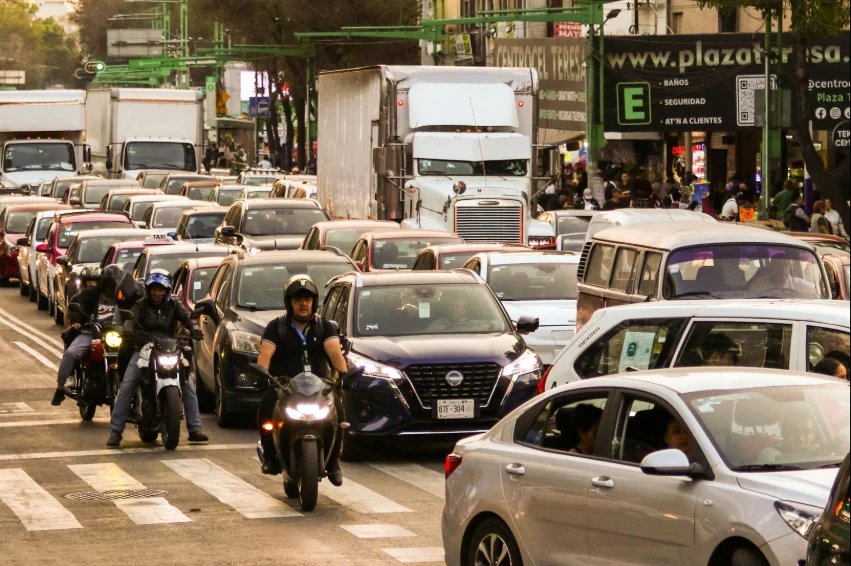
As World Car-Free Day on September 22 approaches, residents of Mexico City face the stark reality of being the most congested city globally. The city’s traffic challenges directly impact daily life, contributing to longer commute times and elevated stress levels for its citizens. According to TomTom’s latest Traffic Index, Mexico City reported an average congestion level of 75.9% in 2025, slightly improved from the previous year, yet it remains at the top of the global ranking. This continuous congestion underscores the urgent need for alternative transportation solutions pushed by the Government of Mexico and local agencies. While the slight decrease in congestion may offer a glimmer of hope, it belies a broader trend affecting mobility across the city. The data reveals that a 10-kilometer trip now takes an average of 34 minutes and 29 seconds, meaning drivers can expect to cover just 4.4 kilometers in a typical 15-minute period during peak hours. Traffic speeds drop to an average of 13.5 kilometers per hour, exacerbating the frustrations felt by commuters. Each driver loses approximately 184 hours annually to traffic jams, translating to over seven days lost in delays. Unfortunately, this figure, while marginally better than the previous year, still reflects the persistent struggle against congestion in urban life. May 28, 2025, was the worst day recorded, with congestion peaking at an alarming 167% in the afternoon. This chronic traffic issue isn’t unique to Mexico City; metropolitan areas worldwide, from London to Barcelona, are grappling with similar challenges, emphasizing a shared need for strategic solutions. Notably, other Mexican cities like Guadalajara and Monterrey are also facing increasing congestion levels, highlighting that the traffic battle extends beyond the capital. As the city prepares for World Car-Free Day, it serves as a timely reminder for citizens to explore sustainable transport options.
Mexico City Traffic Challenges: How They Affect Daily Life
Compartir Este Artículo